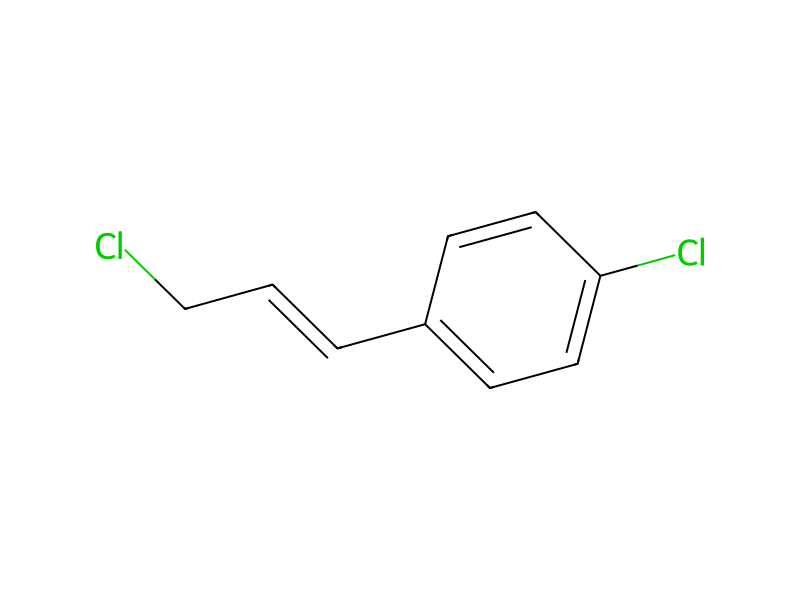
6-(3-fluoro-4-methoxyphenyl)-4-methoxycarbonyl-2H-pyridazin-3-one → 2-(4-chlorocinnamyl)-6-(3-fluoro-4-methoxyphenyl)-4-methoxycarbonyl-2H-pyridazin-3-one
Reaction equation

[F:1][C:2]1[CH:3]=[C:4]([C:10]2[CH:11]=[C:12]([C:17]([O:19][CH3:20])=[O:18])[C:13](=[O:16])[NH:14][N:15]=2)[CH:5]=[CH:6][C:7]=1[O:8][CH3:9].[Cl:21][C:22]1[CH:31]=[CH:30][C:25]([CH:26]=[CH:27][CH2:28]Cl)=[CH:24][CH:23]=1>>[Cl:21][C:22]1[CH:31]=[CH:30][C:25]([CH:26]=[CH:27][CH2:28][N:14]2[C:13](=[O:16])[C:12]([C:17]([O:19][CH3:20])=[O:18])=[CH:11][C:10]([C:4]3[CH:5]=[CH:6][C:7]([O:8][CH3:9])=[C:2]([F:1])[CH:3]=3)=[N:15]2)=[CH:24][CH:23]=1Participants
3


Procedure
Using 6-(3-fluoro-4-methoxyphenyl)-4-methoxycarbonyl-2H-pyridazin-3-one and 4-chlorocinnamyl chloride as starting materials, the procedures of Example 1 were repeated likewise, whereby the title compound was obtained in a yield of 75.5%.
Sources & evidence
- ORD record
- ord-52d2156732ff40fba52efcca8824e29c
- Source dataset
- uspto-grants-2002_06
- Patent number
- US06403586B1
Reaction notes
Loading…