Acetylene → HCID 12848144, compound
Reaction equation

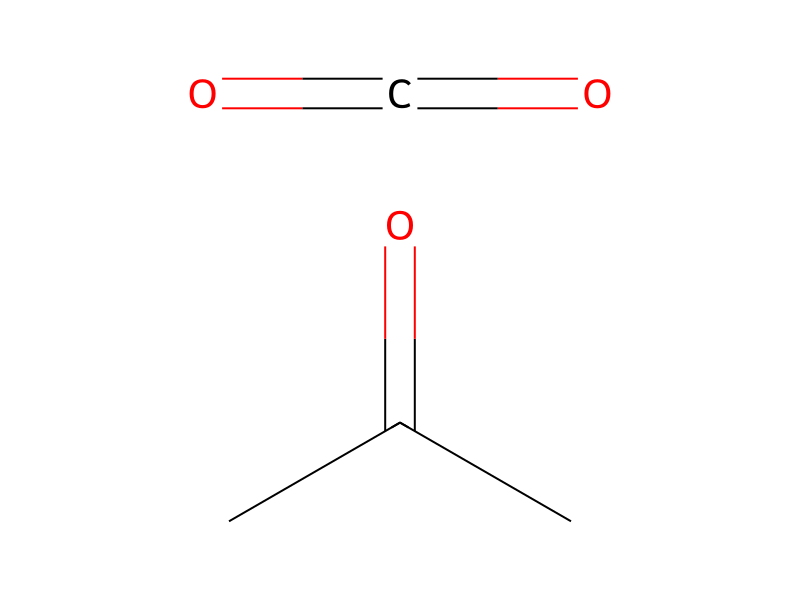
[CH2:1]([B:8]([Cl:10])Cl)[C:2]1[CH:7]=[CH:6][CH:5]=[CH:4][CH:3]=1.C#C.C(=O)=O.[CH3:16][C:17](C)=O.[OH-].[Na+]>C1(C)C=CC=CC=1.O>[Cl:10][B:8]1[CH:17]=[CH:16][C:3]2[C:2](=[CH:7][CH:6]=[CH:5][CH:4]=2)[CH2:1]1Participants
Reactant 4


Product 1

Reagents, catalysts & solvents 2


Procedure
About 10.0 ml (11.51 grams, 66.6 mmoles) of benzyl dichloroborane is dissolved in 100 ml of toluene in a 500 ml three-neck flask. Research grade acetylene is passed at a rate of 100 ml STP/min through two dry ice/acetone traps and a column (10 inches long ×1 inch ID) of activated basic alumina. The acetylene is introduced into the stirring solution through a needle below the surface of the liquid. The flask is vented to a scrubber containing 2.7 grams of NaOH in 1500 ml of water. The reaction is allowed to proceed for 3 hours. The acetylene flow is stopped and the volatiles in the reaction flask are evaporated under vacuum. 10.37 grams of colorless product are recovered. This is identified as 2-chloro-1,2-dihydro-2-boranaphthalene by NMR. This product is used in subsequent steps without further purification. The yield is 95 %.
Workup
- customthe volatiles in the reaction flask are evaporated under vacuum
- custom10.37 grams of colorless product are recovered
- customThis product is used in subsequent steps without further purification
Sources & evidence
- ORD record
- ord-50bc6b4002d343ff8a73c5477af0633f
- Source dataset
- uspto-grants-2002_06
- Patent number
- US06410764B1
Reaction notes
Loading…