Chlorobenzene → 1,2-Bis(4-chlorophenyl)ethanone
Reaction equation

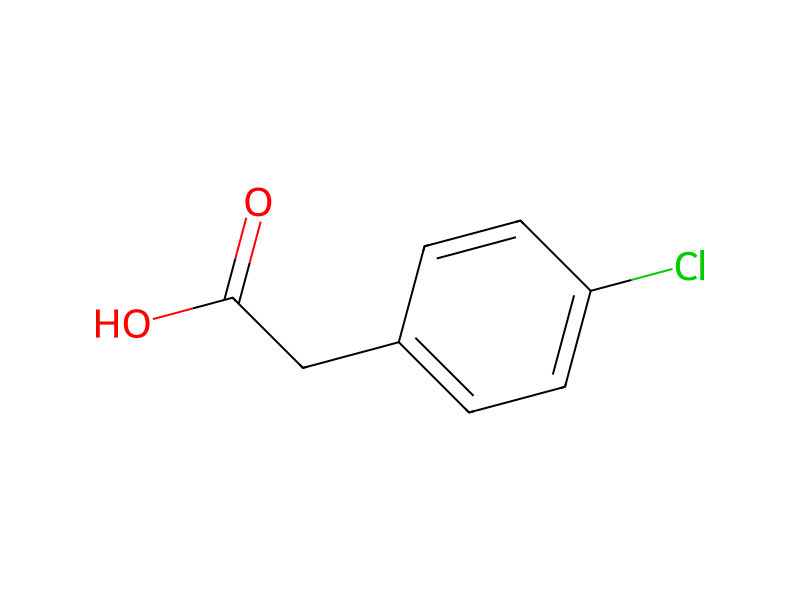
[Cl:1][C:2]1[CH:7]=[CH:6][C:5]([CH2:8][C:9]([OH:11])=O)=[CH:4][CH:3]=1.[Cl:12][C:13]1[CH:18]=[CH:17][CH:16]=[CH:15][CH:14]=1>>[Cl:12][C:13]1[CH:18]=[CH:17][C:16]([C:9](=[O:11])[CH2:8][C:5]2[CH:4]=[CH:3][C:2]([Cl:1])=[CH:7][CH:6]=2)=[CH:15][CH:14]=1Participants
3


Procedure
The diaryl product was obtained using the same synthetic methods as shown in Example 25, step 5, using 2-(4-chlorophenyl)acetic acid (5 g, 29.2 mmol) and chlorobenzene (10.31 g, 91.2 mmol, 2.85 equiv) as reactants. The reaction was quenched by the addition of water/ice. The residue was dissolved in 3% HCl, extracted with 3×20 mL of dichloromethane, and the organic layers combined and concentrated under vacuum. Purification via silica gel column (ethyl acetate/petroleum ether (1:100)) yielded 4.63 g (54%) of 1,2-bis(4-chlorophenyl)ethanone as a white solid.
Workup
- customThe reaction was quenched by the addition of water/ice
- dissolutionThe residue was dissolved in 3% HCl
- extractionextracted with 3×20 mL of dichloromethane
- concentrationconcentrated under vacuum
- customPurification via silica gel column (ethyl acetate/petroleum ether (1:100))
Sources & evidence
- ORD record
- ord-d0c91df083e94a05b28cb289983203bd
- Source dataset
- uspto-grants-2016_06
- Patent number
- US09370522B2
Reaction notes
Loading…