Stannous Chloride → 5-(2-Amino-4-methyl-phenylamino)-1-methyl-1H-pyrazole-4-carboxylic Acid Ethyl Ester
Reaction equation

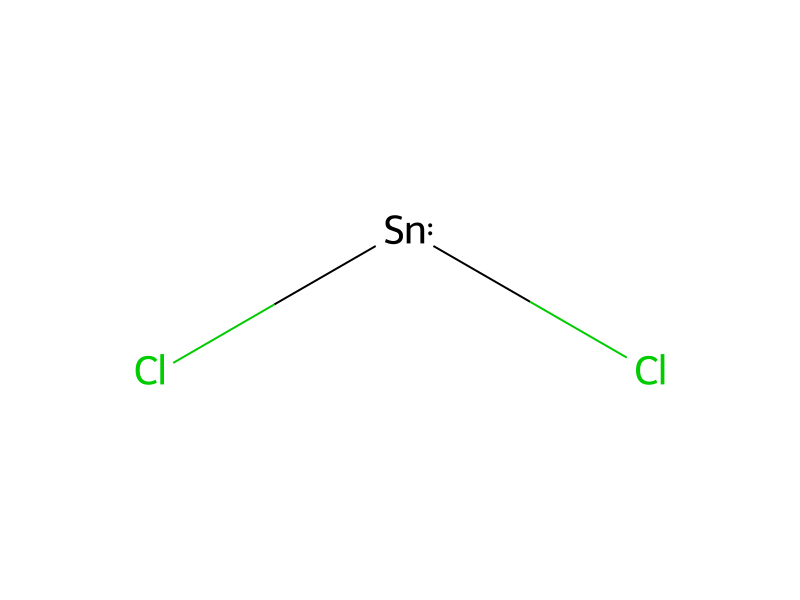
[Sn](Cl)Cl.[CH2:4]([O:6][C:7]([C:9]1[CH:10]=[N:11][N:12]([CH3:25])[C:13]=1[NH:14][C:15]1[CH:20]=[CH:19][C:18]([CH3:21])=[CH:17][C:16]=1[N+:22]([O-])=O)=[O:8])[CH3:5]>CO>[CH2:4]([O:6][C:7]([C:9]1[CH:10]=[N:11][N:12]([CH3:25])[C:13]=1[NH:14][C:15]1[CH:20]=[CH:19][C:18]([CH3:21])=[CH:17][C:16]=1[NH2:22])=[O:8])[CH3:5]Participants
4
Reactant 2

Product 1

Reagents, catalysts & solvents 1

Conditions
- Temperature
- 0 °C
Procedure
Tin (II) chloride (86.65 g, 457.0 mmol) was added to a solution of 1-methyl-5-(4-methyl-2-nitro-phenylamino)-1H-pyrazole-4-carboxylic acid ethyl ester from Example E2.1 (28.00 g, 91.4 mmol) in methanol and the mixture heated at reflux for 3 days. The solvent was removed in vacuo and the residue taken up in EtOAc (400 ml) and cooled to 0° C. 35% Ammonia solution was added to pH 14, and the mixture was stirred for 15 min before being filtered through Celite® filter agent. The filtrate was washed with 2M NH3 and brine and concentrated in vacuo. The residue was purified by flash chromatography on silica gel (eluant; 6% methanol:94% dichloromethane rising to 10% methanol:90% dichloromethane) to yield the title compound (12.8 g, 52%).
Workup
- temperaturethe mixture heated
- temperatureat reflux for 3 days
- customThe solvent was removed in vacuo
- addition35% Ammonia solution was added to pH 14
- filtrationbefore being filtered through Celite®
- filtrationfilter agent
- washThe filtrate was washed with 2M NH3 and brine
- concentrationconcentrated in vacuo
- customThe residue was purified by flash chromatography on silica gel (eluant; 6% methanol:94% dichloromethane rising to 10% methanol:90% dichloromethane)
Sources & evidence
- ORD record
- ord-47d10ad22b164376955eb3aafc5acd41
- Source dataset
- uspto-grants-2012_06
- Patent number
- US08202858B2
Reaction notes
Loading…