Pyridine → HCID 73014376, compound
Reaction equation

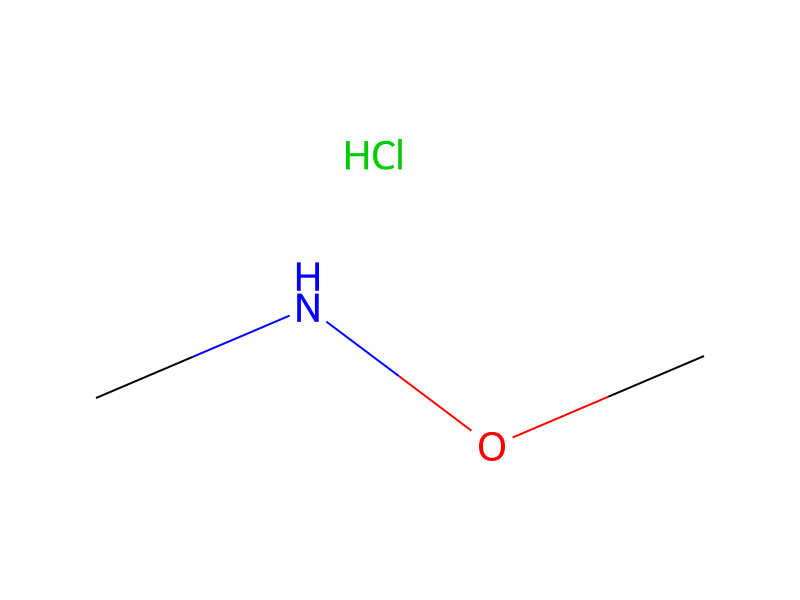
[Br:1][C:2]1[CH:3]=[CH:4][C:5]([F:13])=[C:6]([CH:8]=[CH:9][C:10](Cl)=[O:11])[CH:7]=1.Cl.[CH3:15][NH:16][O:17][CH3:18].N1C=CC=CC=1>ClCCl>[Br:1][C:2]1[CH:3]=[CH:4][C:5]([F:13])=[C:6]([CH:8]=[CH:9][C:10]([N:16]([O:17][CH3:18])[CH3:15])=[O:11])[CH:7]=1Participants
Reactant 3


Product 1

Reagents, catalysts & solvents 1

Procedure
The unpurified 3-(5-bromo-2-fluoro-phenyl)-acryloyl chloride (1.4 g, 5.0 mmol) prepared in Step 2, N,O-dimethylhydroxylamine hydrochloride (0.52 g, 5.3 mmol), and pyridine (0.9 mL, 11.1 mmol) were added at 0° C. to dichloromethane (10.0 mL). The reaction mixture was stirred at room temperature for 12 hours, quenched with a 1N hydrochloric acid solution, and then extracted with diethyl ether two times. The combined extract was washed with a saturated solution of sodium hydrogen carbonate and brine, dried on anhydrous magnesium sulfate, and then concentrated under reduced pressure to give a yellow liquid residue. The resulting residue was recrystallized from diethyl ether and n-hexane to give 1.3 g of the titled compound as a white solid.
Workup
- customquenched with a 1N hydrochloric acid solution
- extractionextracted with diethyl ether two times
- extractionThe combined extract
- washwas washed with a saturated solution of sodium hydrogen carbonate and brine
- dry with materialdried on anhydrous magnesium sulfate
- concentrationconcentrated under reduced pressure
- customto give a yellow liquid residue
- customThe resulting residue was recrystallized from diethyl ether and n-hexane
Sources & evidence
- ORD record
- ord-4846af0f300c424ba03edae41f755ea7
- Source dataset
- uspto-grants-2016_06
- Patent number
- US09376420B2
Reaction notes
Loading…