Pyridine → 3-(5-bromo-pyridin-3-yl)-N-methoxy-N-methyl-acrylamide
Reaction equation

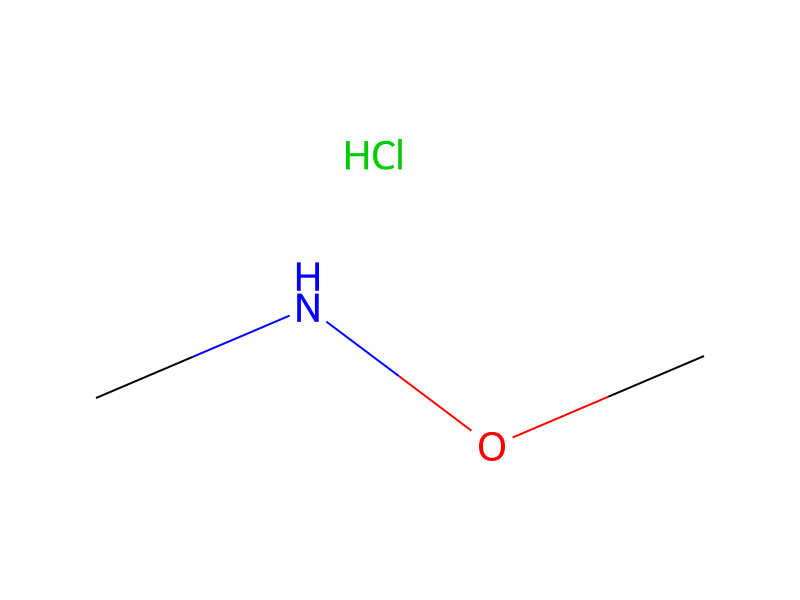
[Br:1][C:2]1[CH:3]=[C:4]([CH:8]=[CH:9][C:10](Cl)=[O:11])[CH:5]=[N:6][CH:7]=1.Cl.[CH3:14][NH:15][O:16][CH3:17].N1C=CC=CC=1>ClCCl>[Br:1][C:2]1[CH:3]=[C:4]([CH:8]=[CH:9][C:10]([N:15]([O:16][CH3:17])[CH3:14])=[O:11])[CH:5]=[N:6][CH:7]=1Participants
5




Procedure
The 3-(5-bromo-pyridin-3-yl)-acryloyl chloride in the form of unpurified dark brown liquid, N,O-dimethylhydroxylamine hydrochloride (11.6 g, 119.3 mmol), and pyridine (20.4 mL, 252.4 mmol) were added at 0° C. to dichloromethane (150.0 mL). The reaction mixture was stirred at room temperature for 3 hours, quenched with distilled water, and then extracted with dichloromethane. The extract was washed with a 1N hydrochloric acid solution and brine, dried on anhydrous magnesium sulfate, and then concentrated under reduced pressure to give a yellow liquid residue. The resulting residue was recrystallized from diethyl ether and n-hexane to give 8.2 g of the titled compound as a yellow solid.
Workup
- customquenched with distilled water
- extractionextracted with dichloromethane
- washThe extract was washed with a 1N hydrochloric acid solution and brine
- dry with materialdried on anhydrous magnesium sulfate
- concentrationconcentrated under reduced pressure
- customto give a yellow liquid residue
- customThe resulting residue was recrystallized from diethyl ether and n-hexane
Sources & evidence
- ORD record
- ord-a475869cee874b3fa69dc16647736b72
- Source dataset
- uspto-grants-2016_06
- Patent number
- US09376420B2
Reaction notes
Loading…