Penicillin V → N,N'-Dicyclohexylurea
Reaction equation

CC1(C)S[C@@H]2[C@H](NC(COC3C=CC=CC=3)=O)C(=[O:9])N2[C@H]1C(O)=O.CN(C1C=CC=CN=1)C.[CH2:34]1[CH2:39][CH2:38][CH:37]([N:40]=[C:41]=[N:42][CH:43]2[CH2:48][CH2:47][CH2:46][CH2:45][CH2:44]2)[CH2:36][CH2:35]1>C(Cl)Cl>[CH:43]1([NH:42][C:41]([NH:40][CH:37]2[CH2:36][CH2:35][CH2:34][CH2:39][CH2:38]2)=[O:9])[CH2:48][CH2:47][CH2:46][CH2:45][CH2:44]1Participants
Reactant 3


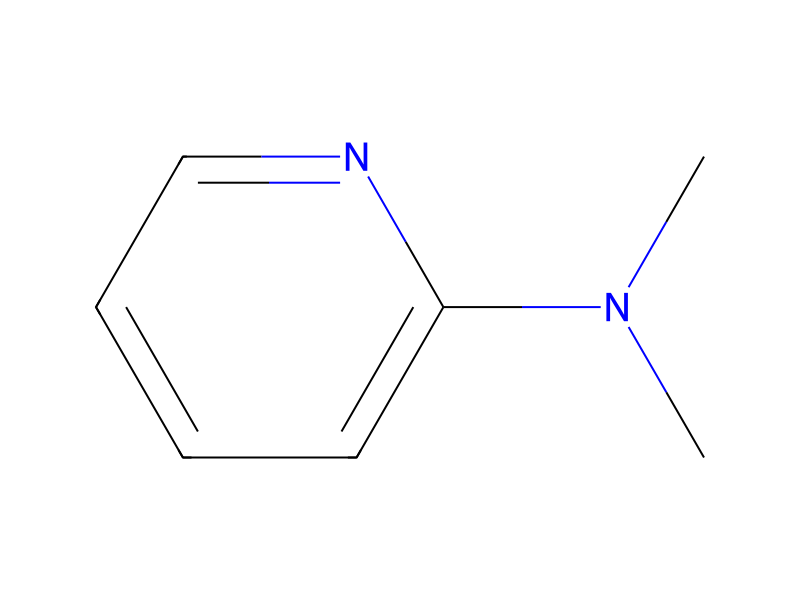
Product 1

Reagents, catalysts & solvents 1

Conditions
- Temperature
- 4 °C
Procedure
In a 10 mL round-bottomed flask, 0.400 g (0.178 mmol) of the poly(PEG-Lys) having ethanolamide pendant functional groups of Example 6 was dissolved in 4 mL of methylene chloride. To this solution was added 0.094 g (0.267 mmol) of Penicillin V (Sigma) and 0.008 g (0.065 mmol) of dimethylaminopyridine (Aldrich). The reaction mixture was cooled in an ice water bath and then 0.048 g (0.232 mmol) of DCC was added. After a few hours at 0° C., the reaction vessel was moved to a cold room maintained at 4° C. and allowed to stir for almost six days. A precipitate of dicyclohexyl urea formed and was removed by filtration. The drug conjugate was precipitated with cold ether. About 0.250 g of crude product was obtained which was purified by reprecipitation twice from isopropanol. TLC in methanol showed absence of free drug.
Workup
- temperatureThe reaction mixture was cooled in an ice water bath
- waitAfter a few hours at 0° C.
Sources & evidence
- ORD record
- ord-c6733d409b64474aa525ac9a2fe43e1d
- Source dataset
- uspto-grants-1995_10
- Patent number
- US05455027
Reaction notes
Loading…