Pyridinium hydrochloride → 307000-42-6
Reaction equation

[C:1]([C:5]1[CH:19]=[CH:18][C:17]([CH3:20])=[CH:16][C:6]=1[O:7][C:8]1[CH:13]=[CH:12][C:11]([O:14]C)=[CH:10][CH:9]=1)([CH3:4])([CH3:3])[CH3:2].Cl.[NH+]1C=CC=CC=1>O>[C:1]([C:5]1[CH:19]=[CH:18][C:17]([CH3:20])=[CH:16][C:6]=1[O:7][C:8]1[CH:13]=[CH:12][C:11]([OH:14])=[CH:10][CH:9]=1)([CH3:4])([CH3:3])[CH3:2]Participants
4
Reactant 2
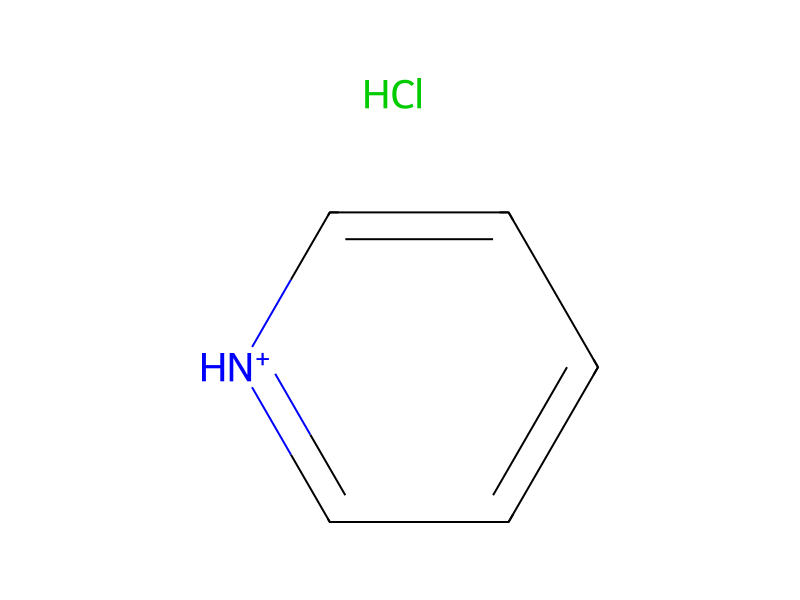

Product 1

Reagents, catalysts & solvents 1

Procedure
7.1 g (0.026 mol) of 4-(2-t-Butyl-5-methylphenoxy)-methoxybenzene are heated with 15.0 g (0.13 mol) pyridinium hydrochloride to 180° C. for 6 h. After cooling water is added and the reaction mass is extracted with xylene. The product is distilled after evaporation of xylene at 130° C./0.01 Torr and recrystallized from petrol ether (80–110 to yield colourless crystals (mp 102° C.).
Workup
- additionis added
- extractionthe reaction mass is extracted with xylene
- distillationThe product is distilled
- customafter evaporation of xylene at 130° C./0.01 Torr
- customrecrystallized from petrol ether (80–110
Sources & evidence
- ORD record
- ord-62d2d05af6f94d0882e03113e16937f9
- Source dataset
- uspto-grants-2006_09
- Patent number
- US07105577B2
Reaction notes
Loading…