Oxygen → Acrylic Acid
Reaction equation

CCC.C=CC.CCC.C1N(P([O:21][C:22]2[CH:27]=[CH:26][C:25]([O:28]P(N3CCOCC3)(N3CC3)=O)=[CH:24][CH:23]=2)(N2CCOCC2)=O)C1.C=CC.[O:43]=O>>[CH:22]([CH:23]=[CH2:24])=[O:21].[C:25]([OH:28])(=[O:43])[CH:26]=[CH2:27]Participants





Procedure
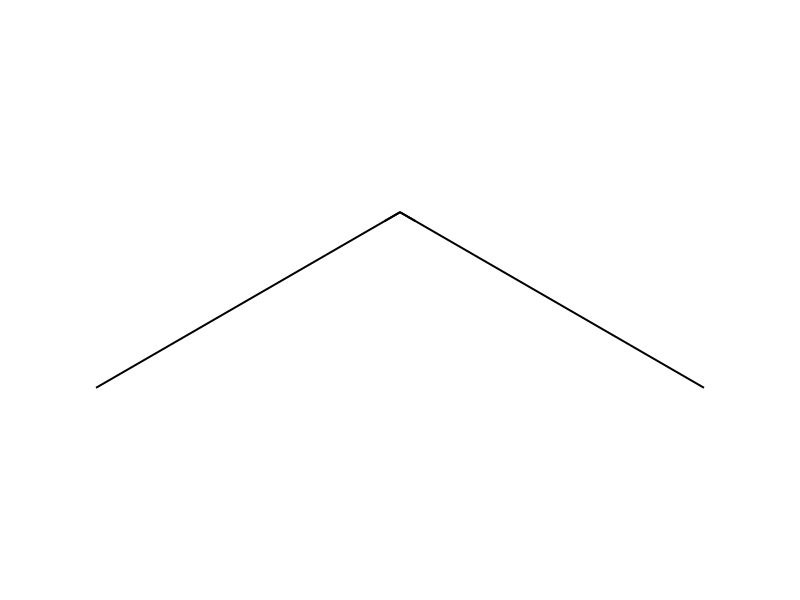
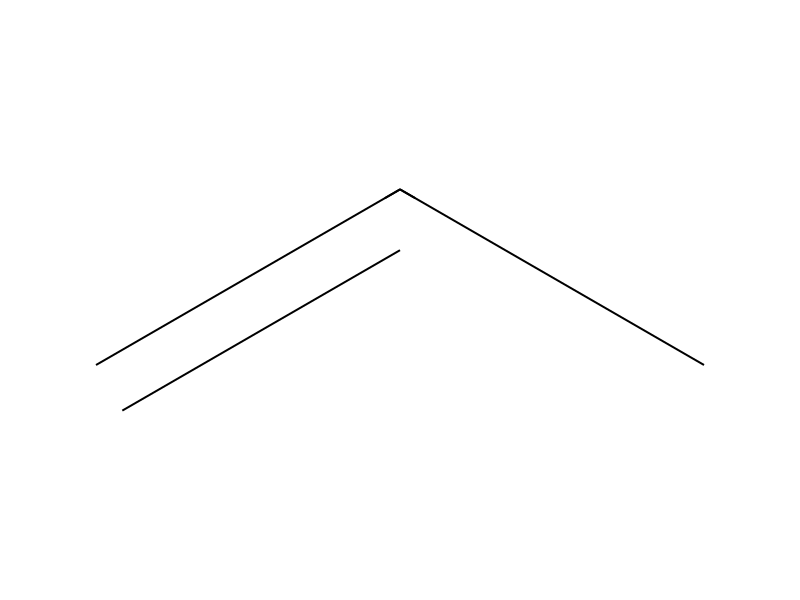
If propane is used as a starting material, it can be converted into a propene/propane mixture by: catalytic oxydehydrogenation as described, for example, in Catalysis Today 24 (1995), 307–313 or U.S. Pat. No. 5,510,558; homogeneous oxydehydrogenation as described, for example, in EP-A-0 253 409, EP-A-0 293 224, DE-A-195 08 558 or EP-A-0 117 146. When a propene/propane mixture is used, propane acts as a diluent gas. Suitable propene/propane mixtures include refinery propene (70% of propene and 30% of propane) of cracker propene (95% of propene and 5% of propane) or propene from a conventional propane dehydrogenation (99.5% of propene and 0.5% of propane). In principle, propene/propane mixtures can be oxidized with mixtures of oxygen and nitrogen of any composition to give acrolein and acrylic acid, as well as propene from an upstream propane dehydrogenation without prior propane/propene separation (20% of propene and 80% of propane).
Sources & evidence
- ORD record
- ord-d440a04bc55d4d1baa2074a0e793247b
- Source dataset
- uspto-grants-2006_09
- Patent number
- US07109374B2
Reaction notes
Loading…