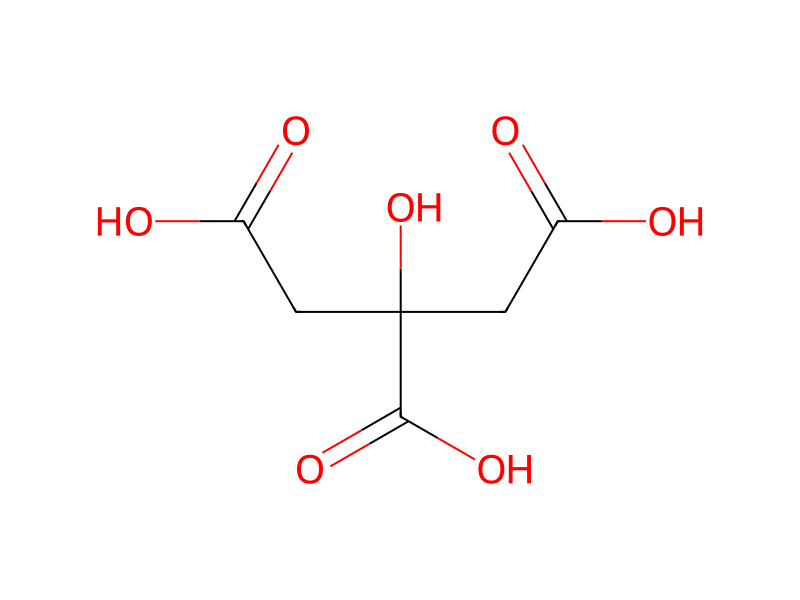
Citric Acid → (R)-dimethyl 2-(3-(4-methoxybenzyl)-2-oxothiazolidin-4-yl)-2-oxoethylphosphonate
Reaction equation

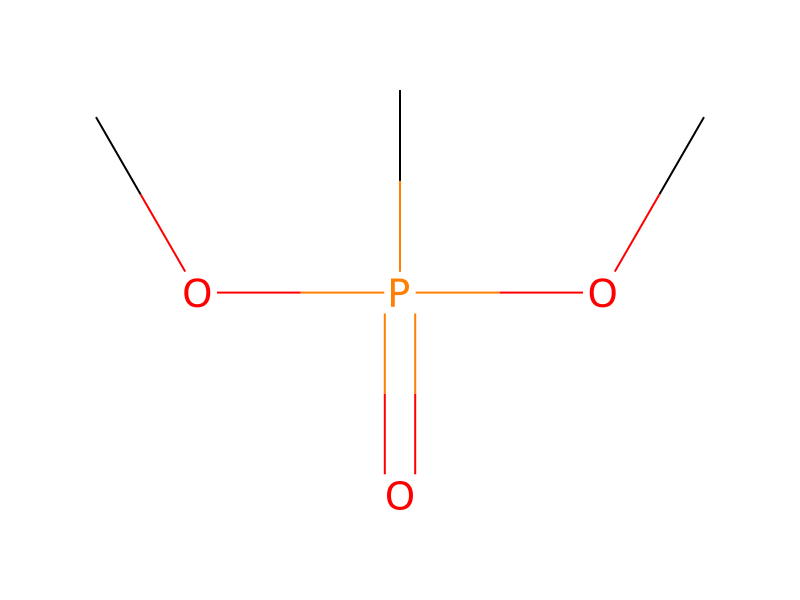
[CH3:1][P:2](=[O:7])([O:5][CH3:6])[O:3][CH3:4].CON(C)[C:11]([CH:13]1[CH2:17][S:16][C:15](=[O:18])[N:14]1[CH2:19][C:20]1[CH:25]=[CH:24][C:23]([O:26][CH3:27])=[CH:22][CH:21]=1)=[O:12].C(O)(=O)CC(CC(O)=O)(C(O)=O)O>C1COCC1.O>[CH3:27][O:26][C:23]1[CH:22]=[CH:21][C:20]([CH2:19][N:14]2[C@H:13]([C:11](=[O:12])[CH2:1][P:2](=[O:7])([O:5][CH3:6])[O:3][CH3:4])[CH2:17][S:16][C:15]2=[O:18])=[CH:25][CH:24]=1Participants
Reactant 3

Product 1

Reagents, catalysts & solvents 2


Conditions
- Temperature
- -70 °C
Procedure
A dry three-necked round bottom flask fitted with an internal temperature probe and a mechanical stirrer was charged with dimethyl methylphosphonate (36.7 mL, 0.338 mol) and 0.5 L of THF. The solution was purged with nitrogen and cooled to −70° C. 126 mL of a 2.55 M solution of n-butyllithium was added dropwise maintaining an internal reaction temperature less than −60° C. In a separate flask, 3-(4-methoxy-benzyl)-2-oxo-thiazolidine-4-carboxylic acid methoxy-methyl-amide (50.0 g, 0.161 mol) was dissolved in 300 mL of dry THF. The resulting solution was added to the solution of dimethyl methylphosphonate anion at a rate maintaining an internal reaction temperature less than −60° C. The reaction was monitored by HPLC and was considered complete upon the disappearance of starting material. The reaction mixture was slowly added to 50 mL of a 10% citric acid solution at a rate that maintained a temperature of less than 5° C. The mixture was diluted with 0.35 L of water. The THF was removed by distillation at atmospheric pressure. The product was extracted with 300 mL of ethyl acetate. The organic phase was separated and a suspension was formed by the addition of 250 mL of n-heptane. The suspension was stirred for 30 minutes. The resulting solid was isolated by filtration and was dried in a vacuum oven at 40° C. for 12 hours. Approximately 57 g of (R)-dimethyl 2-(3-(4-methoxybenzyl)-2-oxothiazolidin-4-yl)-2-oxoethylphosphonate was obtained (94% yield). 1H NMR (300 MHz, DMSO) δ 7.16 (d, 8.5 Hz, 2H), 6.89 (d, 8.5 Hz, 2H), 4.78 (d, J=15.2 Hz, 1H), 4.69-4.61 (m, 1H), 3.79-3.55 (m, 11H), 3.51-3.27 (m, 3H). 13C NMR (75 MHz, DMSO) δ 36.3, 38.0, 46.9, 53.5, 55.08, 66.1, 114.7, 129.0, 129.9, 159.4, 171.9, 199.0; [α]25.0D-29.60 (c=1.00, EtOH).
Workup
- customA dry three-necked round bottom flask fitted with an internal temperature probe and a mechanical stirrer
- customThe solution was purged with nitrogen
- addition126 mL of a 2.55 M solution of n-butyllithium was added dropwise
- temperaturemaintaining an internal reaction temperature less than −60° C
- temperaturemaintaining an internal reaction temperature less than −60° C
- temperaturemaintained a temperature of less than 5° C
- customThe THF was removed by distillation at atmospheric pressure
- extractionThe product was extracted with 300 mL of ethyl acetate
- customThe organic phase was separated
- customa suspension was formed by the addition of 250 mL of n-heptane
- customThe resulting solid was isolated by filtration
- customwas dried in a vacuum oven at 40° C. for 12 hours
Sources & evidence
- ORD record
- ord-f5eb3100220d4c17b5d5c687553d10e6
- Source dataset
- uspto-grants-2008_08
- Patent number
- US07414137B2
Reaction notes
Loading…