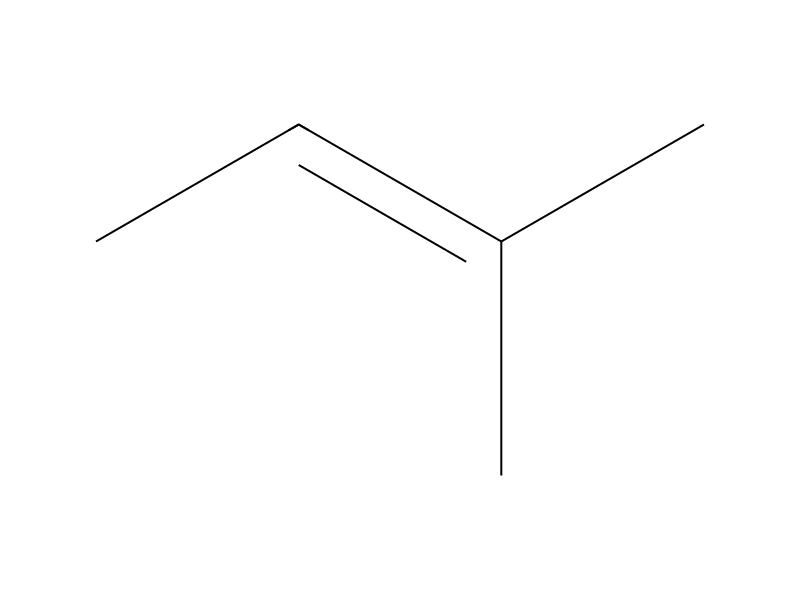
2-Methyl-2-butene → HCID 23134235, compound
Reaction equation

Cl([O-])=O.[Na+].[CH2:5]([O:12][C:13]1[CH:20]=[CH:19][C:16]([CH:17]=[O:18])=[C:15]([CH:21]([CH3:23])[CH3:22])[CH:14]=1)[C:6]1[CH:11]=[CH:10][CH:9]=[CH:8][CH:7]=1.P([O-])(O)(O)=[O:25].[K+].CC(=CC)C>C(O)(C)(C)C.O>[CH2:5]([O:12][C:13]1[CH:20]=[CH:19][C:16]([C:17]([OH:25])=[O:18])=[C:15]([CH:21]([CH3:23])[CH3:22])[CH:14]=1)[C:6]1[CH:7]=[CH:8][CH:9]=[CH:10][CH:11]=1Participants





Procedure
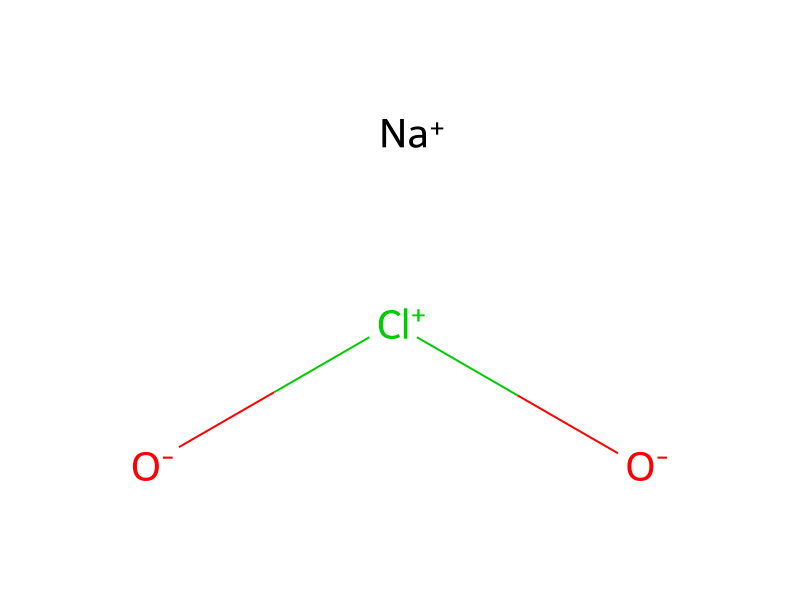
A mixture of N-methylformanilide (9.92 g) and phosphoryl chloride (11.3 g) was stirred at room temperature for 30 minutes, and benzyloxy-3-isopropylbenzene (16.6 g) was added to the mixture. After being stirred at room temperature overnight, ice was added, and the mixture was extracted with ethyl acetate. The organic layer was washed with brine, and dried over anhydrous magnesium sulfate. The solvent was evaporated under reduced pressure to afford 4-benzyloxy-2-isopropylbenzaldehyde (19.4 g) as a crude product. An aqueous solution (200 mL) of sodium chlorite (33.2 g) was added dropwise to an ice-cooled suspension of the crude 4-benzyloxy-2-isopropylbenzaldehyde and potassium dihydrogenphosphate (50.0 g) in tert-butylalcohol (200 mL)/2-methyl-2-butene (100 mL) with stirring. The mixture was stirred at room temperature for 3 hrs. To the resulting mixture was added water, and the insoluble materials were removed by filtration. The filtrate was extracted with ethyl acetate. The organic layer was washed with brine, and dried over anhydrous magnesium sulfate. The solvent was evaporated under reduced pressure to afford 4-benzyloxy-2-isopropylbenzoic acid (23.3 g) as a crude product. A suspension of the crude 4-benzyloxy-2-isopropylbenzoic acid, ethyl iodide (13.7 g) and potassium carbonate (15.2 g) in N,N-dimethylformamide (300 mL) was stirred at room temperature for30 minutes. The reaction mixture was partitioned between diethyl ether and water. The organic layer was washed with water, and dried over anhydrous magnesium sulfate. The solvent was evaporated under reduced pressure, and the residue was purified by silica gel column chromatography (eluent: ethyl acetate/n-hexane=1/5) to afford ethyl 4-benzyloxy-2-isopropylbenzoate (16.8 g). A suspension of ethyl 4-benzyloxy-2-isopropylbenzoate and 10% palladium-carbon (0.1 g) in ethanol (100 mL) was stirred at room temperature for 30 minutes under an atmosphere of hydrogen. The catalyst was removed by filtration, and the filtrate was concentrated in vacuo. The residue was purified by silica gel column chromatography (eluent: ethyl acetate/n-hexane=1/5) to afford the title compound (1.1 g).
Workup
- temperaturecooled
- stirringThe mixture was stirred at room temperature for 3 hrs
- customthe insoluble materials were removed by filtration
- extractionThe filtrate was extracted with ethyl acetate
- washThe organic layer was washed with brine
- dry with materialdried over anhydrous magnesium sulfate
- customThe solvent was evaporated under reduced pressure
Sources & evidence
- ORD record
- ord-d069445412254995a8b404ce74551018
- Source dataset
- uspto-grants-2008_08
- Patent number
- US07417169B2
Reaction notes
Loading…