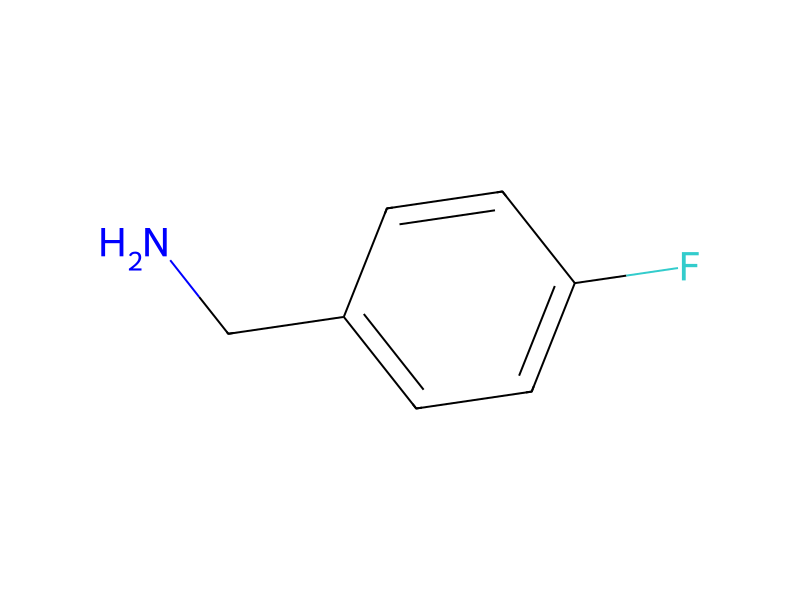
4-Fluorobenzylamine → HCID 59392856, compound
Reaction equation

C[O:2][C:3]([C:5]1[N:6]=[C:7]2[C:15]3[C:14]([N:16]4[CH2:21][CH2:20][O:19][CH2:18][CH2:17]4)=[CH:13][CH:12]=[CH:11][C:10]=3[NH:9][N:8]2[C:22](=[O:25])[C:23]=1[OH:24])=O.C[O-].[Na+].[F:29][C:30]1[CH:37]=[CH:36][C:33]([CH2:34][NH2:35])=[CH:32][CH:31]=1>CO>[F:29][C:30]1[CH:37]=[CH:36][C:33]([CH2:34][NH:35][C:3]([C:5]2[N:6]=[C:7]3[C:15]4[C:14]([N:16]5[CH2:17][CH2:18][O:19][CH2:20][CH2:21]5)=[CH:13][CH:12]=[CH:11][C:10]=4[NH:9][N:8]3[C:22](=[O:25])[C:23]=2[OH:24])=[O:2])=[CH:32][CH:31]=1Participants
5
Reactant 3


Product 1

Reagents, catalysts & solvents 1

Procedure
The product from Example 21.2 (172 mg, 0.5 mmol), sodium methoxide (54 mg, 1.0 mmol) and 4-fluoro benzylamine (1.87 mg, 1.5 mmol) in methanol (15 mL) were combined and heated with stirring at reflux overnight. The mixture was cooled to room temperature and the resulting solid was collected by filtration and dissolved in dichloromethane (30 mL). The solution was washed with aqueous hydrochloric acid (2.0 M), water, dried and concentrated in vacuo to afford desired compound (84 mg, 38.4).
Workup
- temperatureheated
- temperatureat reflux overnight
- filtrationthe resulting solid was collected by filtration
- dissolutiondissolved in dichloromethane (30 mL)
- washThe solution was washed with aqueous hydrochloric acid (2.0 M), water
- customdried
- concentrationconcentrated in vacuo
Sources & evidence
- ORD record
- ord-e0961ea238274de9915ed5c48b35cb44
- Source dataset
- uspto-grants-2012_06
- Patent number
- US08207334B2
Reaction notes
Loading…