Acetohydrazide → HCID 18464578, compound
Reaction equation

CO[C:3]1[CH:12]=[CH:11][C:10]([NH:13]C(=S)C)=[CH:9][C:4]=1[C:5]([O:7][CH3:8])=O.[C:17]([NH:20][NH2:21])(=O)C.[C:22]([O:25][CH2:26]C)(=[O:24])[CH3:23].Cl[CH2:29]Cl.CO.ClCCl>C(O)CCC>[CH3:8][O:7][C:5]1[CH:4]=[CH:3][C:12]([CH:11]2[C:10]([CH3:9])=[N:13][NH:21][N:20]2[CH3:17])=[CH:29][C:23]=1[C:22]([O:25][CH3:26])=[O:24]Participants
6
Reactant 4



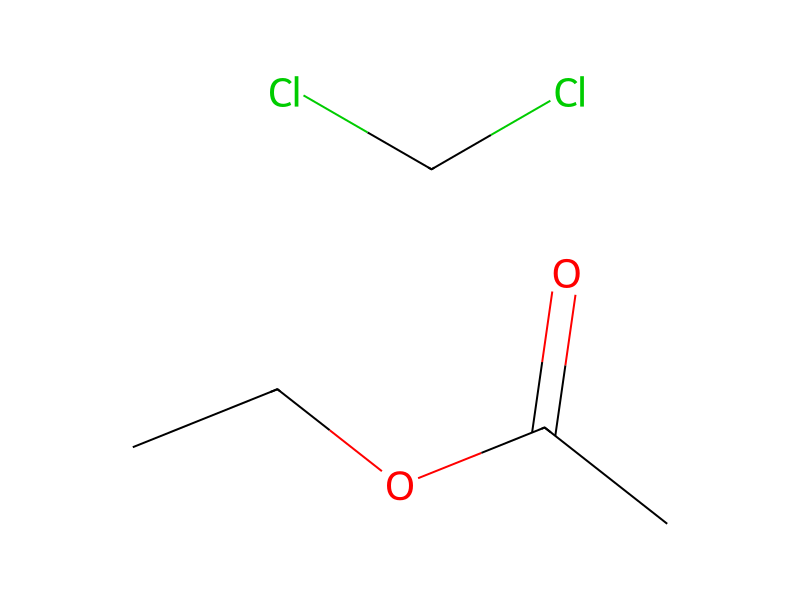
Product 1

Reagents, catalysts & solvents 1

Procedure
According to the method of Heterocycles, 34, 771 (1992), combine methyl 2-methoxy-5-thioacetamidobenzoate (1.00 g, 4.2 mmol) and acetylhydrazine (0.35 g, 4.8 mmol) in n-butanol (8 mL). Heat to reflux. After 18 hours, cool and evaporate in vacuo to give a residue. Chromatograph the residue on silica gel eluting sequentially with 30% ethyl acetate/dichloromethane and then 5% methanol/dichloromethane to give a residue. Recrystallize the residue from ethyl acetate/hexame to give methyl 2-methoxy-5-(3,5-dimethyl-4H-triazol-4-yl)benzoate: mp; 180-182° C.
Workup
- temperatureHeat to reflux
- temperaturecool
- customevaporate in vacuo
- customto give a residue
- customRecrystallize the residue from ethyl acetate/
Sources & evidence
- ORD record
- ord-f677351bb00f4d4e8c9ac3a11ae918e1
- Source dataset
- uspto-grants-2002_07
- Patent number
- US06423704B1
Reaction notes
Loading…