Glyoxal → HCID 86758380, compound
Reaction equation

[CH:1]([CH:3]=O)=O.CC[C:7](COC(CCN1C(C)C1)=O)(COC(CCN1C(C)C1)=O)[CH2:8][O:9][C:10]([CH2:12][CH2:13]N1C(C)C1)=[O:11].C(NC(=O)C=C)O>O>[C:10]([O:9][CH:8]=[CH2:7])(=[O:11])[CH3:12].[CH2:1]=[CH2:3].[C:10]([OH:11])(=[O:9])[CH:12]=[CH2:13]Participants
5
Reactant 3
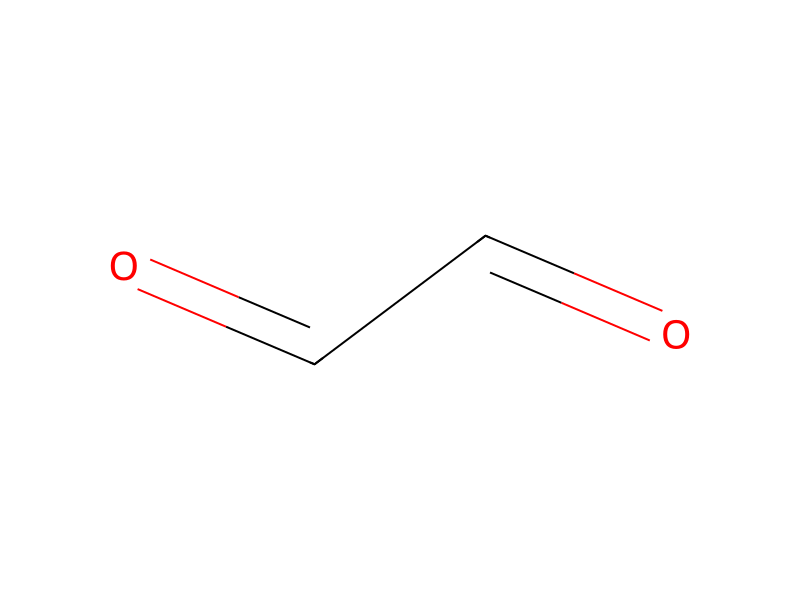


Product 1

Reagents, catalysts & solvents 1

Procedure
To 100 g of this emulsion 45.1 g of deionized water is added. Then 7.5 g of glyoxal (a 40% aqueous solution) followed by addition of 1.5 g of CX-100 (100% active). This formulation is then ready to be printed onto a nonwoven basestock. Upon printing, the nonwoven web is placed into an oven at 150° F. for two minutes to remove all the water. This formulation provides tensile performance to the nonwoven basestock similar to that achieved by standard heat activated systems based upon N-methylol acrylamide for example which do not provide any tensile performance under similar drying conditions.
Workup
- customto remove all the water
- customThis formulation provides tensile performance to the nonwoven basestock similar to
- temperatureby standard heat
- customdo not provide any tensile performance
- customunder similar drying conditions
Sources & evidence
- ORD record
- ord-03c8362e94014e85b83109e0012546a1
- Source dataset
- uspto-grants-2002_07
- Patent number
- US06426121B1
Reaction notes
Loading…