Acrolein → HCID 14347532, compound
Reaction equation

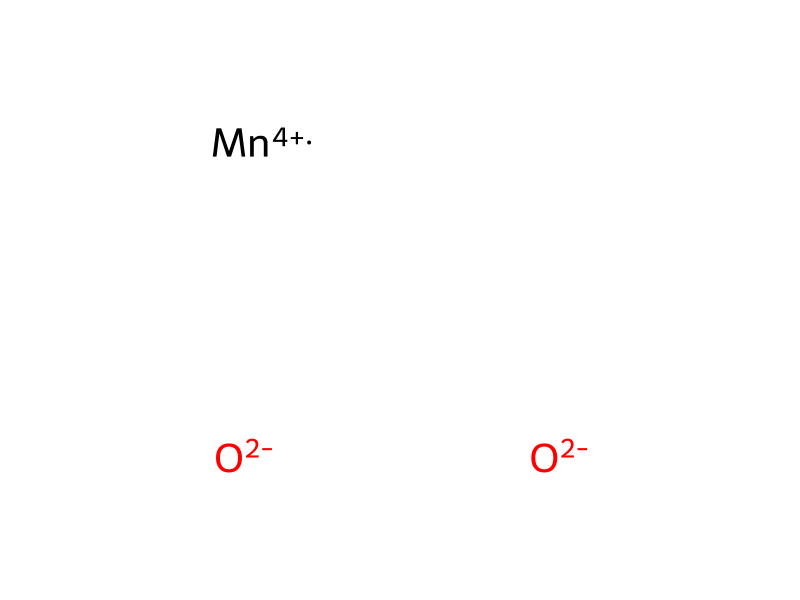
[F:1][C:2]([F:23])([F:22])[C:3]1[CH:4]=[C:5]([C:9]([C:12]2[CH:17]=[CH:16][CH:15]=[C:14]([C:18]([F:21])([F:20])[F:19])[CH:13]=2)=[N+]=[N-])[CH:6]=[CH:7][CH:8]=1.[CH:24]([CH:26]=[CH2:27])=[O:25]>ClCCl.CCCCCCC.[O-2].[O-2].[Mn+4]>[F:1][C:2]([F:23])([F:22])[C:3]1[CH:4]=[C:5]([C:9]2([C:12]3[CH:17]=[CH:16][CH:15]=[C:14]([C:18]([F:21])([F:20])[F:19])[CH:13]=3)[CH2:27][CH:26]2[CH:24]=[O:25])[CH:6]=[CH:7][CH:8]=1Participants
Reactant 2


Product 1

Reagents, catalysts & solvents 3


Conditions
- Temperature
- 55 °C
Procedure
a solution of bis[3-(trifluoromethyl)phenyl]diazomethane, prepared as in Example 84 from 3,3'-(trifluoromethyl)benzophenone hydrazone (29.9 g) and activated manganese dioxide (30 g) in dichloromethane (150 mL) was added to a solution of acrolein (9.9 mL) in heptane (90 mL) over 15 minutes at 40° C. The solution was heated at 55° C. for 5.5 hours, then the dichloromethane was distilled off and replaced with heptane (100 mL). After the mixture was heated at 90° C. overnight, the solvent was removed in vacuo and the residue was purified by HPLC (dichloromethanehexane; 1:1). Evaporation of the appropriate fractions yielded 30.5 g of 2,2-bis[3-(trifluoromethyl)phenyl]cyclopropanecarboxaldehyde. Crystallization of a portion from hexane gave the analytical sample, 106°-108° C.
Workup
- distillationthe dichloromethane was distilled off
- temperatureAfter the mixture was heated at 90° C. overnight
- customthe solvent was removed in vacuo
- customthe residue was purified by HPLC (dichloromethanehexane; 1:1)
- customEvaporation of the appropriate fractions
Sources & evidence
- ORD record
- ord-b2209f656cee447986804d6a8d34585e
- Source dataset
- uspto-grants-1988_11
- Patent number
- US04786646
Reaction notes
Loading…