Heptanoyl chloride → HCID 86761101, compound
Reaction equation

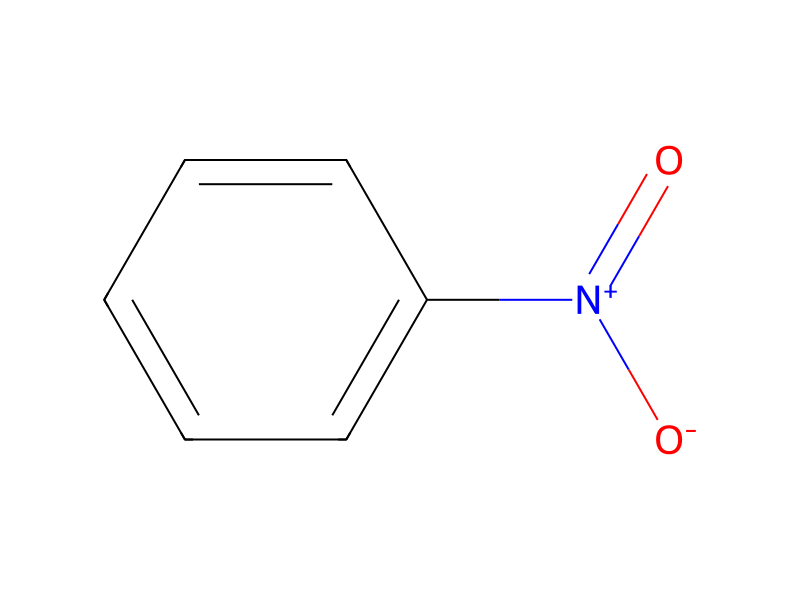
COC(=O)[CH:4]([CH3:12])[C:5]1[CH:10]=[CH:9][CH:8]=[CH:7][C:6]=1[OH:11].[C:14](Cl)(=[O:21])[CH2:15][CH2:16][CH2:17][CH2:18][CH2:19][CH3:20].[Cl-].[Al+3].[Cl-].[Cl-]>[N+](C1C=CC=CC=1)([O-])=O>[C:14]([C:9]1[CH:8]=[CH:7][C:6]2[O:11][CH:12]=[CH:4][C:5]=2[CH:10]=1)(=[O:21])[CH2:15][CH2:16][CH2:17][CH2:18][CH2:19][CH3:20]Participants
5
Reactant 3



Product 1

Reagents, catalysts & solvents 1
Procedure
To a solution of methyl 2-hydroxyphenylacetic acid methyl ester (1000 mg, 6.02 mmol) in nitrobenzene (10 ml) was added heptanoyl chloride (900 mg, 6.02 mmol), followed by aluminium chloride (1.6 g, 12.0 mmol, 2 equiv). The solution was heated to 60 C for 18 h, then cooled on ice before quenching with aqueous hydrochloric acid (1 M, 50 ml). The mixture was extracted with dichloromethane. (3×50 ml) and concentrated. Chromatography on silica gel using ethyl acetate/petroleum spirits (20:80) as eluant gave a semi-solid yellow residue. Recrystallization from dichloromethane/petroleum spirits at −15 C gave the title compound as a pale yellow solid (129 mg). Mp 64-67° C.;
Workup
- temperatureThe solution was heated to 60 C for 18 h
- temperaturecooled on ice
- custombefore quenching with aqueous hydrochloric acid (1 M, 50 ml)
- extractionThe mixture was extracted with dichloromethane
- concentration(3×50 ml) and concentrated
- customgave a semi-solid yellow residue
- customRecrystallization from dichloromethane/petroleum spirits at −15 C
Sources & evidence
- ORD record
- ord-4fc098d8f3bf4bacab96b733c1e86cbf
- Source dataset
- uspto-grants-2010_05
- Patent number
- US07709514B2
Reaction notes
Loading…