Isobutyl Acetate → Pantoprazole
Reaction equation

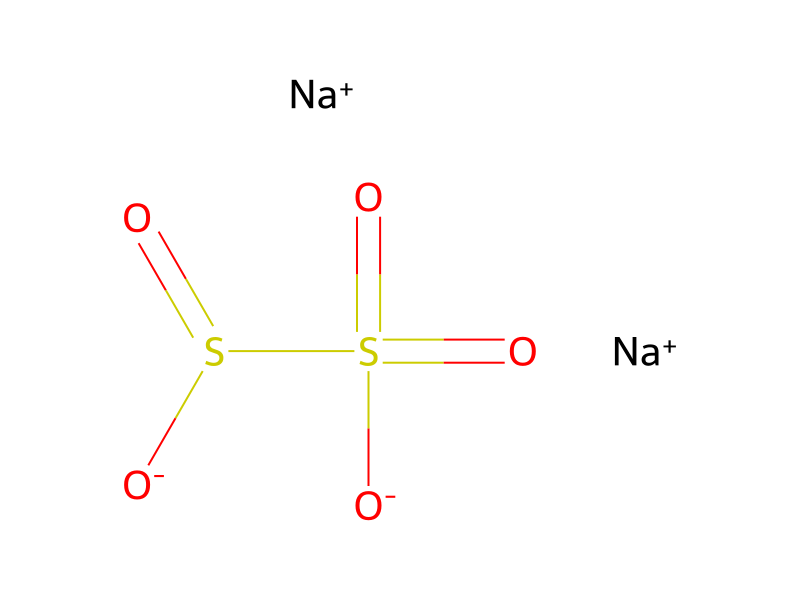
C(OCC(C)C)(=[O:3])C.[F:9][CH:10]([F:33])[O:11][C:12]1[CH:32]=[CH:31][C:15]2[NH:16][C:17]([S:19][CH2:20][C:21]3[C:26]([O:27][CH3:28])=[C:25]([O:29][CH3:30])[CH:24]=[CH:23][N:22]=3)=[N:18][C:14]=2[CH:13]=1.[OH-].[Na+].[O-]Cl.[Na+]>S(S([O-])=O)([O-])(=O)=O.[Na+].[Na+]>[CH3:30][O:29][C:25]1[CH:24]=[CH:23][N:22]=[C:21]([CH2:20][S+:19]([O-:3])[C:17]2[NH:16][C:15]3[CH:31]=[CH:32][C:12]([O:11][CH:10]([F:9])[F:33])=[CH:13][C:14]=3[N:18]=2)[C:26]=1[O:27][CH3:28]Participants
6
Reactant 4




Product 1

Reagents, catalysts & solvents 1
Conditions
- Temperature
- -7 °C
Procedure
A flask is charged with isobutyl acetate (0.1 L). Under mixing, compound VI (5 g) is added, followed by 18.8% NaOH (11.5 ml, 4.9 eq.). The flask is cooled to −7° C. Then, aqueous 9.4% active NaOCl (11.5 ml, 1.24 eq.) is added dropwise over 15 min. The two-phase mixture is stirred at room temperature overnight, over which time a precipitate forms. Aqueous Na2S2O5 (20 ml) is then added and the precipitate is redissolved. On standing, another precipitate forms in the mixture which is separated by filtration and dried to give pantoprazole (4.33 g, 83%) containing 0.4% compound VI and free of sulfone within the limit of UV detection.
Workup
- additionUnder mixing
- dissolutionthe precipitate is redissolved
- customanother precipitate forms in the mixture which is separated by filtration
- customdried
Sources & evidence
- ORD record
- ord-e02c7179def843cdabc19475f34a2508
- Source dataset
- uspto-grants-2010_03
- Patent number
- US07683177B2
Reaction notes
Loading…