Isopropanol → 1-(1,3-Benzothiazol-6-yl)cyclopropanecarbaldehyde
Reaction equation

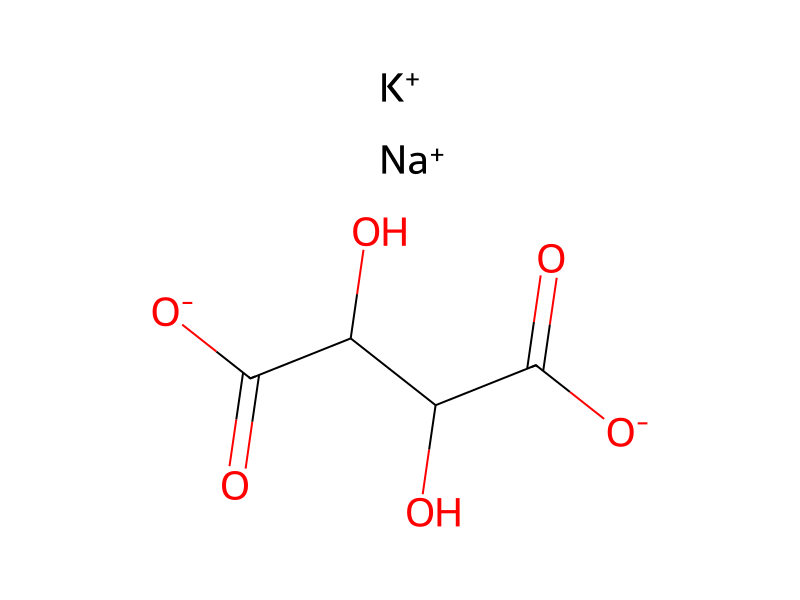
[H-].C([Al+]CC(C)C)C(C)C.[S:11]1[C:15]2[CH:16]=[C:17]([C:20]3([C:23]#N)[CH2:22][CH2:21]3)[CH:18]=[CH:19][C:14]=2[N:13]=[CH:12]1.C([OH:28])(C)C.C(C(C(C([O-])=O)O)O)([O-])=O.[Na+].[K+]>C1(C)C=CC=CC=1>[S:11]1[C:15]2[CH:16]=[C:17]([C:20]3([CH:23]=[O:28])[CH2:22][CH2:21]3)[CH:18]=[CH:19][C:14]=2[N:13]=[CH:12]1Participants





Procedure
A solution of diisobutylaluminum hydride in toluene (1.00 M, 2.10 mL, 0.0021 mol) was slowly added to a solution of 1-(1,3-benzothiazol-6-yl)cyclopropanecarbonitrile (0.28 g, 0.0014 mol, prepared in Example 79, Steps 1-3) in toluene (2 mL) at −78° C. The mixture was slowly warmed to RT and stirred overnight. After cooling to −60° C., isopropyl alcohol (0.32 mL) was carefully added. The mixture was warmed to 0° C., and saturated potassium sodium tartrate (50 mL) was added, and stirred at RT for 30 min. The mixture was extracted with ethyl acetate (3×40 mL). The organic layers were washed with brine, dried over anhydrous Na2SO4, filtered, and concentrated under reduced pressure. The residue was flash chromatographed on a silica gel column with 40% ethyl acetate in hexanes to afford 1-(1,3-benzothiazol-6-yl)cyclopropanecarbaldehyde. Analytical LCMS: (M+H)+=204.0.
Workup
- temperatureAfter cooling to −60° C.
- temperatureThe mixture was warmed to 0° C.
- stirringstirred at RT for 30 min
- extractionThe mixture was extracted with ethyl acetate (3×40 mL)
- washThe organic layers were washed with brine
- dry with materialdried over anhydrous Na2SO4
- filtrationfiltered
- concentrationconcentrated under reduced pressure
- customchromatographed on a silica gel column with 40% ethyl acetate in hexanes
Sources & evidence
- ORD record
- ord-a6f4dbb5b72c4045bb842e33c9781686
- Source dataset
- uspto-grants-2010_03
- Patent number
- US07683060B2
Reaction notes
Loading…