Aniline → N-[2-(1,3-dimethylbutyl)phenyl]-2-bromobenzamide
Reaction equation

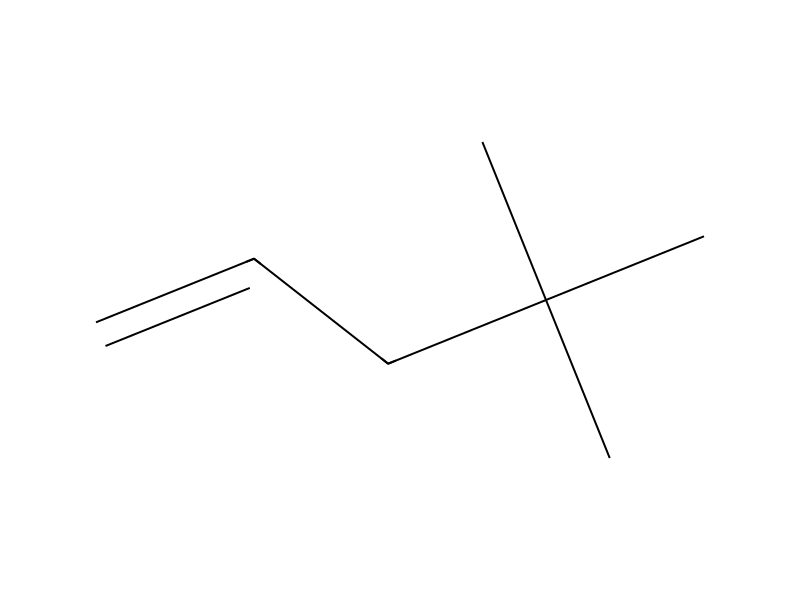
[NH2:1][C:2]1[CH:7]=[CH:6][CH:5]=[CH:4][CH:3]=1.[CH3:8][C:9](C)([CH3:13])[CH2:10][CH:11]=[CH2:12].FC(F)(F)C1C=CC=CC=1C(Cl)=O.ClC1C=CC=CC=1C(Cl)=O.[Br:38][C:39]1[CH:47]=[CH:46][CH:45]=[CH:44][C:40]=1[C:41](Cl)=[O:42].IC1C=CC=CC=1C(Cl)=O>>[CH3:12][CH:11]([C:3]1[CH:4]=[CH:5][CH:6]=[CH:7][C:2]=1[NH:1][C:41](=[O:42])[C:40]1[CH:44]=[CH:45][CH:46]=[CH:47][C:39]=1[Br:38])[CH2:10][CH:9]([CH3:13])[CH3:8]Participants
7



Procedure
Moreover, analogously to the examples mentioned above, the following compounds are obtained starting with aniline and 4,4-dimethyl-1-pentene and 2-(trifluoromethyl)benzoyl chloride, 2-chlorobenzoyl chloride, 2-bromobenzoyl chloride and 2-iodobenzoyl chloride, respectively:
Workup
- customare obtained
Sources & evidence
- ORD record
- ord-c229c3ac75f749fc8c68bef91e5c3bd1
- Source dataset
- uspto-grants-2008_01
- Patent number
- US07314958B2
Reaction notes
Loading…