Ethylene Glycol → Bis(2-hydroxyethyl) adipate
Reaction equation

[C:1]([O:11][CH3:12])(=[O:10])[CH2:2][CH2:3][CH2:4][CH2:5][C:6]([O:8][CH3:9])=[O:7].C(O)[CH2:14][OH:15].[CH3:17][OH:18]>CCCC[O-].CCCC[O-].CCCC[O-].CCCC[O-].[Ti+4]>[OH:15][CH2:14][CH2:12][O:11][C:1](=[O:10])[CH2:2][CH2:3][CH2:4][CH2:5][C:6]([O:8][CH2:9][CH2:17][OH:18])=[O:7]Participants
5
Reactant 3


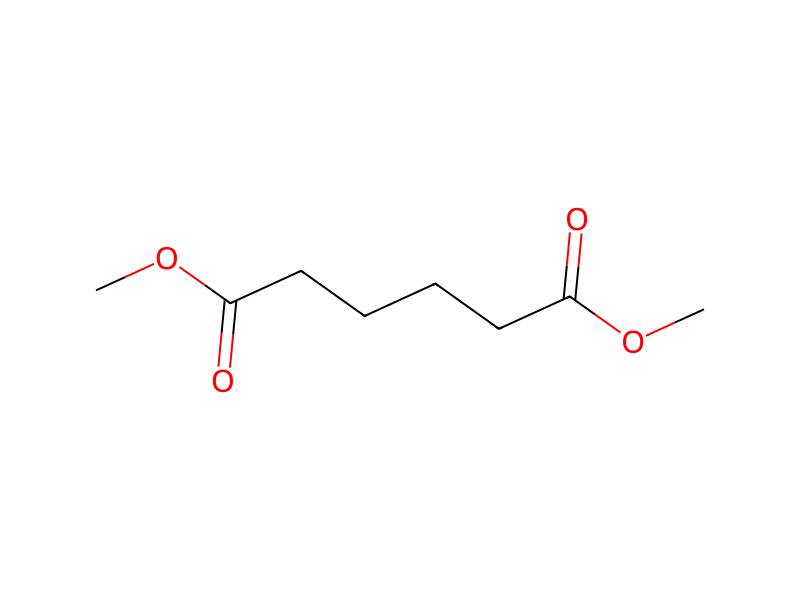
Product 1

Reagents, catalysts & solvents 1

Conditions
- Temperature
- 190 °C
Procedure
A 1-liter glass flask equipped with a stirrer, thermometer, gas inlet, and distillation outlet was charged with 174.2 g (1.00 mole) of dimethyl adipate, 198.3 g (2.20 moles) of ethylene glycol, and a small amount of tetrabutyl titanate as a catalyst. The mixture in the flask was purged with nitrogen, heated to 190° C., and reacted at this temperature for 1 hour. As the reaction proceeded, bis(2-hydroxyethyl)adipate was produced with the distillation of methanol from the flask.
Workup
- customA 1-liter glass flask equipped with a stirrer
- distillationthermometer, gas inlet, and distillation outlet
- customThe mixture in the flask was purged with nitrogen
- customreacted at this temperature for 1 hour
Sources & evidence
- ORD record
- ord-ba03def8e92e4f279de81aa23ea90899
- Source dataset
- uspto-grants-1993_08
- Patent number
- US05235024
Reaction notes
Loading…