4-Hydroxybenzoic Acid → HCID 19745161, compound
Reaction equation

OC1C=CC(C(O)=O)=CC=1.S(Cl)(Cl)=O.[OH:15][C:16]1[CH:24]=[CH:23][C:19]([C:20](Cl)=[O:21])=[CH:18][CH:17]=1.[NH2:25][C:26]1[CH:27]=[C:28]([CH:34]=[CH:35][CH:36]=1)[C:29]([O:31][CH2:32][CH3:33])=[O:30]>N1C=CC=CC=1>[CH2:32]([O:31][C:29]([C:28]1[CH:27]=[C:26]([NH:25][C:20](=[O:21])[C:19]2[CH:23]=[CH:24][C:16]([OH:15])=[CH:17][CH:18]=2)[CH:36]=[CH:35][CH:34]=1)=[O:30])[CH3:33]Participants
6
Reactant 4
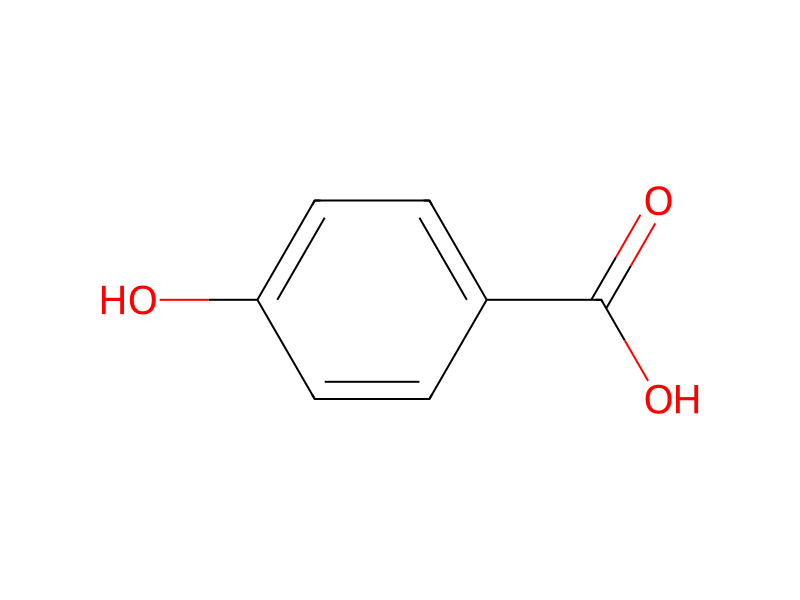



Product 1

Reagents, catalysts & solvents 1

Procedure
4-Hydroxybenzoic acid can be converted into the corresponding acid chloride upon treatment with thionyl chloride in pyridine. The reaction of equimolar amounts of 4-hydroxybenzoyl chloride and ethyl 3-aminobenzoate in pyridine yields N-(3-ethoxycarbonylphenyl)4-hydroxybenzamide which can be transferred into ethyl 5-{[3-(ethoxycarbonylphenyl)amino]carbonyl}-2-hydroxybenzenepropanoate according to the procedure of Example 92A. Alkylation of this phenol according to the procedure of Example 60 followed by hydrolysis of the resulting diester by the method of Example 56 will provide the title compound.
Sources & evidence
- ORD record
- ord-6ffbaec7dada4a64ae85f884a6a545b0
- Source dataset
- uspto-grants-1993_08
- Patent number
- US05235064
Reaction notes
Loading…