Acetyl bromide → 4-Bromo-2,5-dimethylpyridine 1-oxide
Reaction equation

[N+:1]1([O-:7])[CH:6]=[CH:5][CH:4]=[CH:3][CH:2]=1.[C:8]([Br:11])(=O)[CH3:9].[OH-].[Na+]>>[Br:11][C:8]1[C:3]([CH3:4])=[CH:2][N+:1]([O-:7])=[C:6]([CH3:5])[CH:9]=1Participants
4

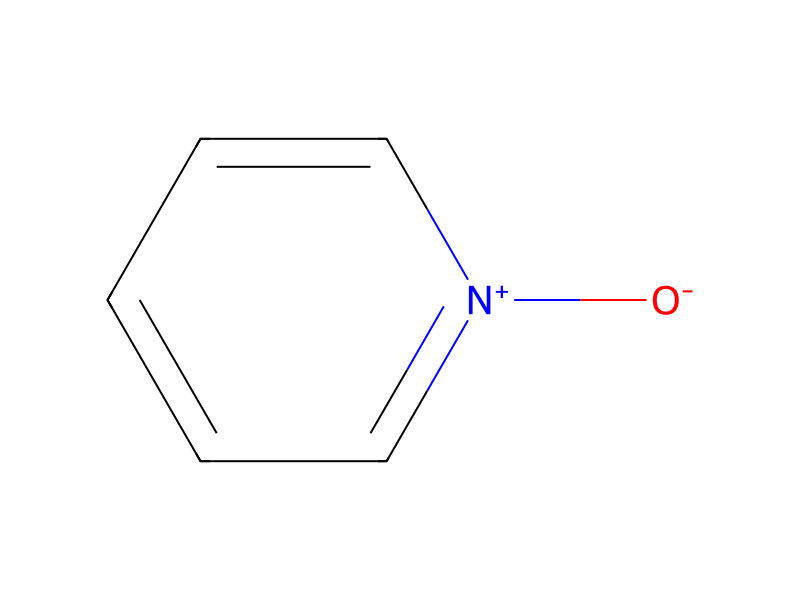


Conditions
- Temperature
- 55 °C
Procedure
A portion of the pyridine-N-oxide (106.4 g, 0.633 mol) was added slowly to 300 g of acetyl bromide at a rate that maintained the reaction temperature at 20°-30° C. (modification of procedure described in Ochiai, J. Org. Chem, 18, 549(1953)). After the addition was complete, the reaction was heated to 55° C. and left to stir overnight. The reaction mixture was cooled to room temperature and then slowly poured over ice. The mixture was slowly basified with 10M sodium hydroxide and extracted with chloroform. The chloroform extract was dried over sodium sulfate and then concentrated to dryness to give 119.2 g (93%) of 4-bromo-2,5-dimethylpyridine-N-oxide.
Workup
- temperaturemaintained the reaction temperature at 20°-30° C. (modification of procedure described in Ochiai, J. Org. Chem, 18, 549(1953))
- additionAfter the addition
- waitleft
- temperatureThe reaction mixture was cooled to room temperature
- additionslowly poured over ice
- extractionextracted with chloroform
- extractionThe chloroform extract
- dry with materialwas dried over sodium sulfate
- concentrationconcentrated to dryness
Sources & evidence
- ORD record
- ord-1b5ac2fcec414084a4762999c9568b8b
- Source dataset
- uspto-grants-1997_08
- Patent number
- US05658908
Reaction notes
Loading…