Phosphate → Monobasic potassium phosphate
Reaction equation

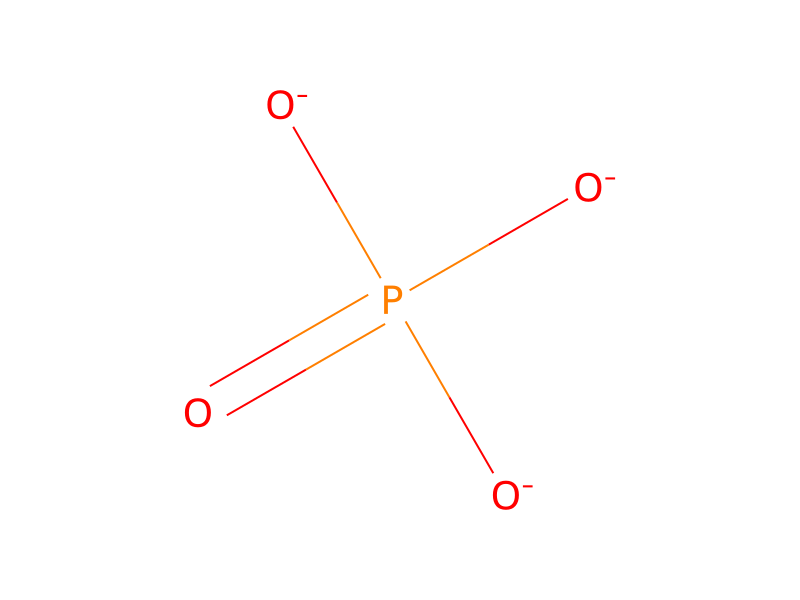
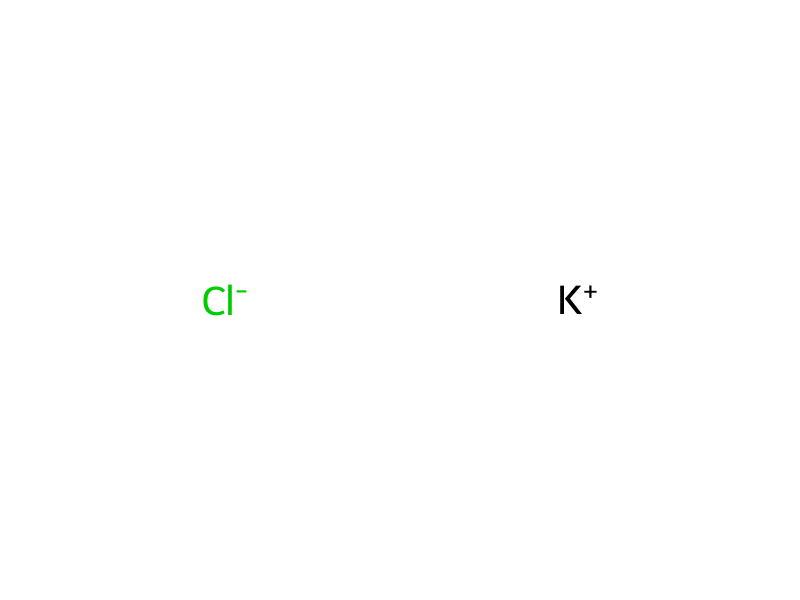
[Cl-].[K+:2].[Cl-].[Na+:4].[P:5]([O-:9])([O-:8])([O-:7])=[O:6]>>[P:5]([O-:9])([OH:8])([OH:7])=[O:6].[K+:2].[P:5]([O-:9])([OH:8])([OH:7])=[O:6].[Na+:4]Participants



Procedure
The fine particles of potassium chloride or sodium chloride and the fine particles of phosphate or a buffering agent may be separately prepared. For example, when a concentrated aqueous solution of potassium chloride or sodium chloride is formed, an aqueous solution of potassium dihydrogen phosphate and sodium dihydrogen phosphate (4:6 in molar ratio) can be separately formed. Both solutions are preferably in a saturation state, which provides a greater amount of fine particles, i.e., a high efficiency. Note that the weighed phosphates must be completely dissolved in water, because the proportion of the dissolved phosphates significantly affects the pH value. The thus-prepared aqueous solutions are poured into an organic solvent such as ethanol, in the same manner as described above, respectively, and the precipitated fine particles are collected.
Sources & evidence
- ORD record
- ord-244a51d39fc540eda45f8b77e136c4ef
- Source dataset
- uspto-grants-1995_12
- Patent number
- US05478460
Reaction notes
Loading…