Vinyl Acetate → Methyl Acrylamidoglycolate Methyl Ether Vinyl Acetate
Reaction equation

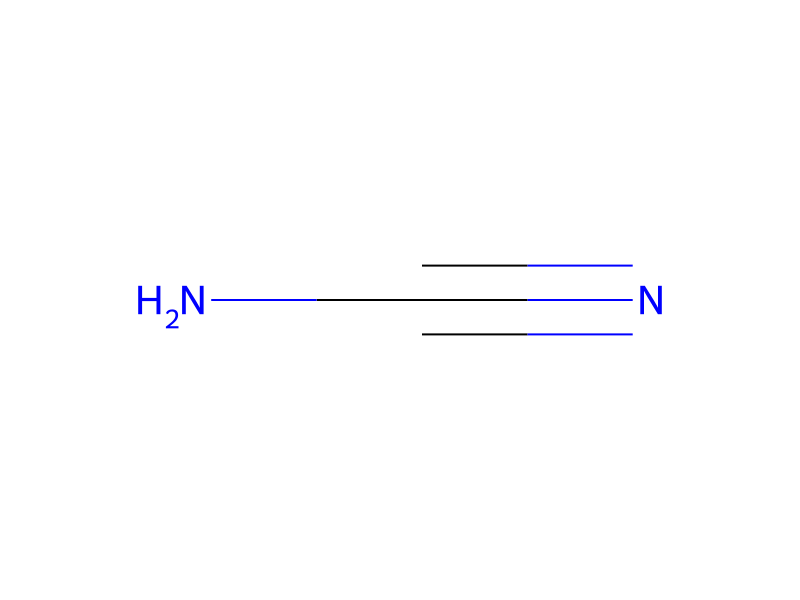
[CH3:1][O:2][CH:3]([NH:8][C:9](=[O:12])[CH:10]=[CH2:11])[C:4]([O:6][CH3:7])=[O:5].N#CN.[C:16]([O:19][CH:20]=[CH2:21])(=[O:18])[CH3:17]>CO>[CH3:1][O:2][CH:3]([NH:8][C:9](=[O:12])[CH:10]=[CH2:11])[C:4]([O:6][CH3:7])=[O:5].[C:16]([O:19][CH:20]=[CH2:21])(=[O:18])[CH3:17]Participants
Reactant 3


Product 1

Reagents, catalysts & solvents 1

Conditions
- Temperature
- 65 °C
Procedure
To a 12 liter 3-neck round bottom flask were added 500 grams (2.89 mole) of methyl acrylamidoglycolate methyl ether (available from American Cyanamide Company under the trademark MAGME™), 248.3 grams (2.88 mole) of vinyl acetate, and 6,008 grams of methanol solvent. The aforementioned comonomer molar mix in this Example was essentially 50:50. The flask was equipped with a water condenser, an Argon inlet and an Argon outlet to a bubbler to ensure that a positive Argon flow was maintained in the reaction vessel throughout the polymerization period. The resulting mixture was mechanically stirred and sparged with Argon at ambient temperature for 2 hours to dissolve the monomers and displace oxygen. To the resulting solution were added 7.476 grams (0.0455 mole) of azobisisobutyrylnitrile initiator, and the stirred solution was warmed to and maintained at reflux (65° C.) for 24 hours by means of a hot water bath. The polymer solution was next rotoevaporated to dryness leaving the solid polymer, which after vacuum oven drying for 24 hours at 40 ° C. at about 1 millimeters Hg amounted to 700 grams (93.5 percent of theory). This polymer was used without further purification as a positive charge adjuvant in the Liquid Toner 3 prepared in Example VI.
Workup
- customThe flask was equipped with a water condenser, an Argon inlet and an Argon outlet to a bubbler
- temperaturewas maintained in the reaction vessel throughout the polymerization period
- customsparged with Argon at ambient temperature for 2 hours
- dissolutionto dissolve the monomers
- temperaturethe stirred solution was warmed to and
- temperaturemaintained
- customleaving the solid polymer, which after vacuum oven
- customdrying for 24 hours at 40 ° C. at about 1 millimeters Hg
- customThis polymer was used without further purification as
- additiona positive charge
- customprepared in Example VI
Sources & evidence
- ORD record
- ord-89f4796353c945189acc13a6688e373c
- Source dataset
- uspto-grants-1995_12
- Patent number
- US05478688
Reaction notes
Loading…