Acetyl chloride → HCID 59592939, compound
Reaction equation

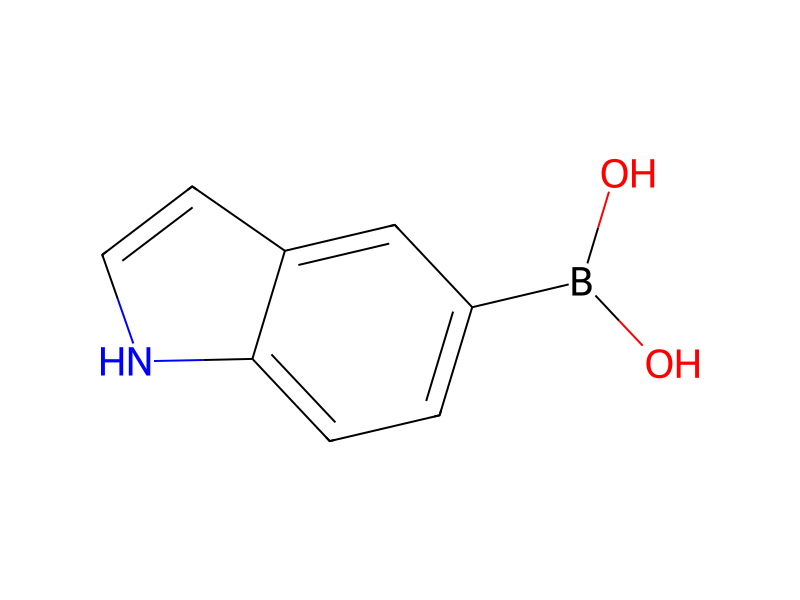
Cl[C:2]1[N:3]=[C:4]([N:14]2[CH2:19][CH2:18][O:17][CH2:16][CH2:15]2)[C:5]2[S:10][C:9]([CH2:11][NH:12][CH3:13])=[CH:8][C:6]=2[N:7]=1.[C:20](Cl)(=[O:22])[CH3:21].[NH:24]1[C:32]2[C:27](=[CH:28][C:29](B(O)O)=[CH:30][CH:31]=2)[CH:26]=[CH:25]1>>[NH:24]1[C:32]2[C:27](=[CH:28][C:29]([C:2]3[N:3]=[C:4]([N:14]4[CH2:19][CH2:18][O:17][CH2:16][CH2:15]4)[C:5]4[S:10][C:9]([CH2:11][N:12]([CH3:13])[C:20](=[O:22])[CH3:21])=[CH:8][C:6]=4[N:7]=3)=[CH:30][CH:31]=2)[CH:26]=[CH:25]1Participants
4



Procedure
1-(2-Chloro-4-morpholinothieno[3,2-d]pyrimidin-6-yl)-N-methylmethanamine 55 from Example 11a was reacted with acetyl chloride (1.2 eq) followed by Suzuki coupling of indole-5-boronic acid as per General Procedure K. Complete reaction was confirmed by LCMS and the reaction was concentrated in vacuo to give 33.1 mg of 392 after RP-HPLC purification (44% yield). MS (Q1) 422.2 (M)+
Workup
- customComplete reaction
- concentrationthe reaction was concentrated in vacuo
Sources & evidence
- ORD record
- ord-de67173a8aeb4d548fad6865f8108961
- Source dataset
- uspto-grants-2010_12
- Patent number
- US07846929B2
Reaction notes
Loading…