Sodium Carbonate → HCID 66671626, compound
Reaction equation

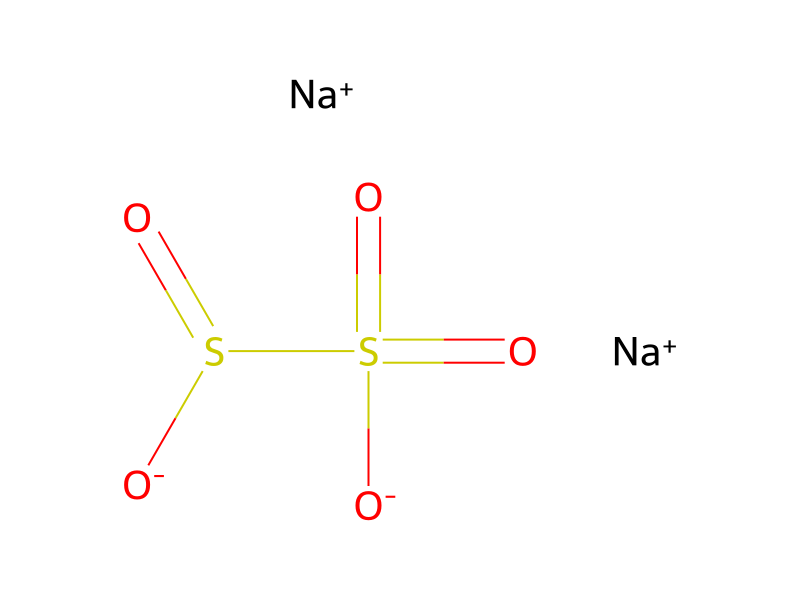
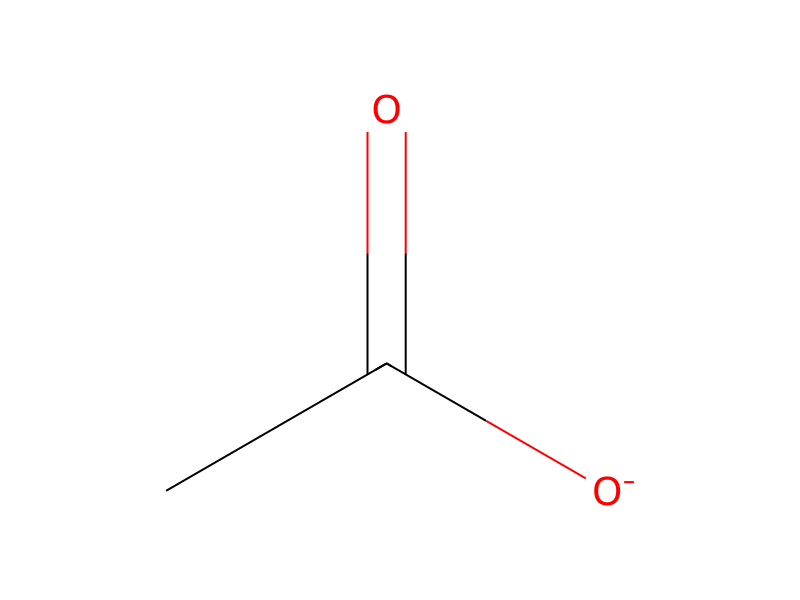
[Br:1]Br.[NH2:3][C:4]1[N:12]=[C:11]([CH2:13][CH2:14][CH2:15][CH2:16][OH:17])[N:10]=[C:9]2[C:5]=1[N:6]=[CH:7][N:8]2[CH3:18].S(S([O-])=O)([O-])(=O)=O.[Na+].[Na+].C([O-])([O-])=O.[Na+].[Na+]>O1CCOCC1.C([O-])(=O)C>[NH2:3][C:4]1[N:12]=[C:11]([CH2:13][CH2:14][CH2:15][CH2:16][OH:17])[N:10]=[C:9]2[C:5]=1[N:6]=[C:7]([Br:1])[N:8]2[CH3:18]Participants
Reactant 4



Product 1

Reagents, catalysts & solvents 2

Procedure
Bromine (0.4 ml, 6.8 mmol) was added dropwise, at −14° C., to 4-(6-amino-9-methyl-9H-purin-2-yl)butan-1-ol (250 mg, 1.13 mmol) dissolved in a mixture of dioxane (5 ml) and acetate buffer pH 4 (2.5 ml) (obtained by dissolving 4 g of sodium acetate in 100 ml of water and by adjusting to pH 4 with glacial acetic acid). The reaction was stirred at this temperature for 10 minutes and then at RT for 15 minutes. Excess of bromine was eliminated with sodium metabisulphite and the reaction brought to pH 8 by addition of saturated solution of Na2CO3. The aqueous phase was extracted with DCM (6×10). The organic phases were dried over anhydrous sodium sulphate and evaporated under reduced pressure, to give a residue that was used for the following reaction without further purification.
Workup
- waitat RT for 15 minutes
- extractionThe aqueous phase was extracted with DCM (6×10)
- dry with materialThe organic phases were dried over anhydrous sodium sulphate
- customevaporated under reduced pressure
- customto give a residue that
- customwas used for the following reaction without further purification
Sources & evidence
- ORD record
- ord-a94abd10c0fe4decbc4678d2d5447dbe
- Source dataset
- uspto-grants-2015_09
- Patent number
- US09133197B2
Reaction notes
Loading…