Sodium Carbonate → HCID 118161306, compound
Reaction equation

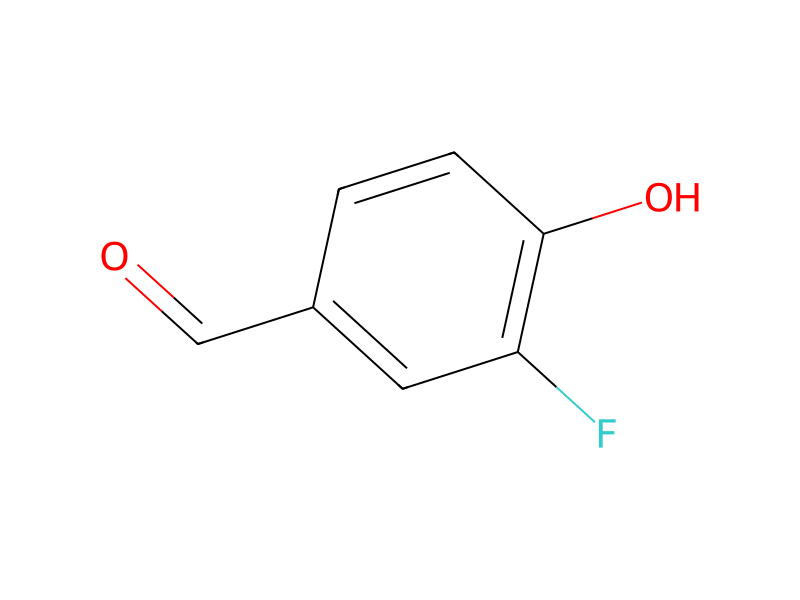
[F:1][C:2]1[CH:3]=[C:4]([CH:7]=[CH:8][C:9]=1[OH:10])[CH:5]=O.[C:11]([NH:14][CH2:15][C:16]([OH:18])=[O:17])(=O)[CH3:12].C(=O)([O-])[O-].[Na+].[Na+].C([O-])(=O)C.[Na+].C(=O)([O-])[O-]>C(OC(=O)C)(=O)C.O>[F:1][C:2]1[CH:3]=[C:4]([CH:7]=[CH:8][C:9]=1[OH:10])/[CH:5]=[C:15]1\[N:14]=[C:11]([CH3:12])[O:18][C:16]\1=[O:17]Participants
8






Procedure
Commercially available 3-fluoro-4-hydroxybenzaldehyde (14 g, 0.1 mol), N-acetylglycine (14 g, 0.12 mol), sodium carbonate (10.6 g, 0.1 mol) and sodium acetate (16.6 g, 0.2 mol) were mixed at r.t. in 60 mL of acetic anhydride and stirred at moderate heating until full dissolution of carbonate. Then the mixture was refluxed for 2 hours, cooled down to r.t. and diluted with water (200 mL). The precipitate was filtered and used without further purification: 22.34 g. (Yield ˜85%)
Workup
- temperatureThen the mixture was refluxed for 2 hours
- filtrationThe precipitate was filtered
- customused without further purification
Sources & evidence
- ORD record
- ord-e397e4b5c36b45d1a1d58214903869b8
- Source dataset
- uspto-grants-2015_09
- Patent number
- US09133220B2
Reaction notes
Loading…