Acetic Anhydride → HCID 44185486, compound
Reaction equation

[F:1][CH:2]([F:11])[C:3](=[O:10])[CH2:4][C:5]([O:7][CH2:8][CH3:9])=[O:6].[C:12]([O:15][C:16](=O)C)(=O)[CH3:13].C(OC(OCC)OCC)C>>[CH2:12]([O:15]/[CH:16]=[C:4](/[C:3](=[O:10])[CH:2]([F:11])[F:1])\[C:5]([O:7][CH2:8][CH3:9])=[O:6])[CH3:13]Participants
4

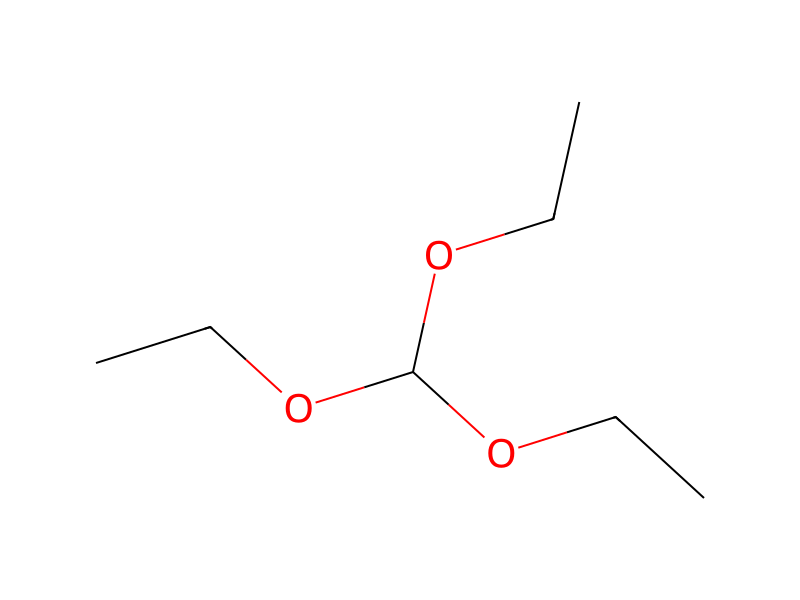


Conditions
- Temperature
- 110 °C
Procedure
A mixture of ethyl 4,4-difluoro-3-oxobutanoate (4.65 g, 0.028 moles), acetic anhydride (8.0 g, 0.078 moles) and triethylorthoformate (7.3 g, 0.049 moles) is heated at 110° C. for 4 h. The mixture is concentrated under vacuum to afford (Z)-ethyl 2-(ethoxymethylene)-4,4-difluoro-3-oxobutanoate as yellow oil. The oil is dissolved in EtOH (25 mL) and cooled in an ice bath. To this cooled stirred mixture is added anhydrous hydrazine (0.7 mL, 0.022 mole) and the mixture is allowed to warm gradually to RT overnight. The mixture is concentrated under vacuum and the crude product is purified by silica gel column chromatography using 1-2% MeOH/CH2Cl2 to afford the title compound as a yellow solid.
Workup
- concentrationThe mixture is concentrated under vacuum
Sources & evidence
- ORD record
- ord-b04f98a0f5884a85b652bd58460f8cf1
- Source dataset
- uspto-grants-2015_09
- Patent number
- US09133204B2
Reaction notes
Loading…