Acetone → HCID 178512383, compound
Reaction equation

[OH-].[K+].[C:3]([N:5]=[C:6]([NH2:8])[NH2:7])#[N:4].CC(C)=O.[F:13][C:14]1[CH:22]=[CH:21][C:17]([C:18](Cl)=[O:19])=[CH:16][CH:15]=1>O.C(O)(=O)C>[F:13][C:14]1[CH:22]=[CH:21][C:17]([C:18]([NH:7][C:6]([NH:5][C:3]#[N:4])=[NH:8])=[O:19])=[CH:16][CH:15]=1Participants
7
Reactant 4



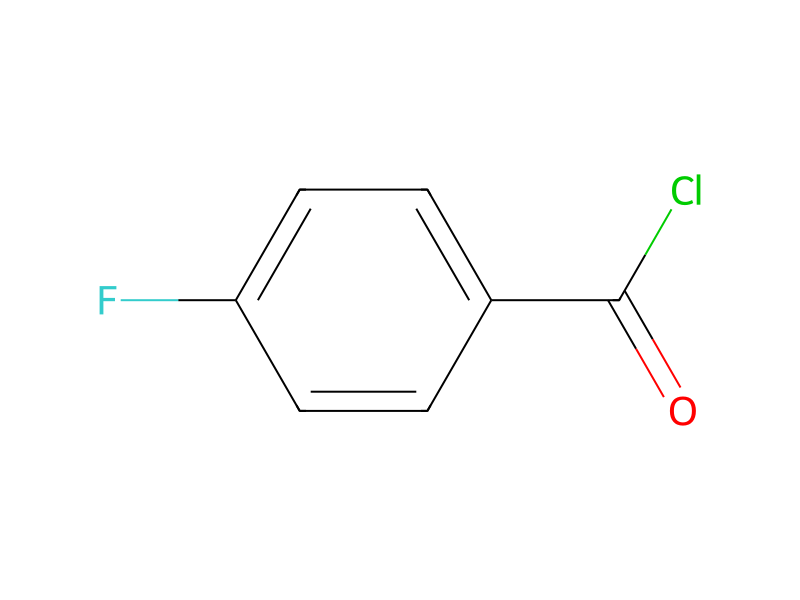
Product 1

Reagents, catalysts & solvents 2


Conditions
- Temperature
- 0 °C
Procedure
Potassium hydroxide, 13.02 g (0.2 mole) is dissolved in 40 ml of water and 10.51 g (0.125 mole) of dicyanodiamide is added, followed by the addition of 50 ml of acetone. The mixture is cooled to 0° C. and the 4-fluorobenzoyl chloride from Step 1A, above, is added dropwise. The mixture is stirred at 0° C. for 1 hour and placed in the refrigerator overnight. The mixture is poured into 500 ml of water and the water is then acidified with an excess of acetic acid. The product forms a precipitate which is filtered, washed with water followed by ether and air dried to give 10.1 g of 1-(4'-fluorobenzoyl)-3-cyanoguanidine, m.p. 322° C. dec.
Workup
- customplaced in the refrigerator overnight
- filtrationis filtered
- washwashed with water
- customdried
Sources & evidence
- ORD record
- ord-50bee36e644d4105ba912e7d7d800549
- Source dataset
- uspto-grants-1981_05
- Patent number
- US04265905
Reaction notes
Loading…