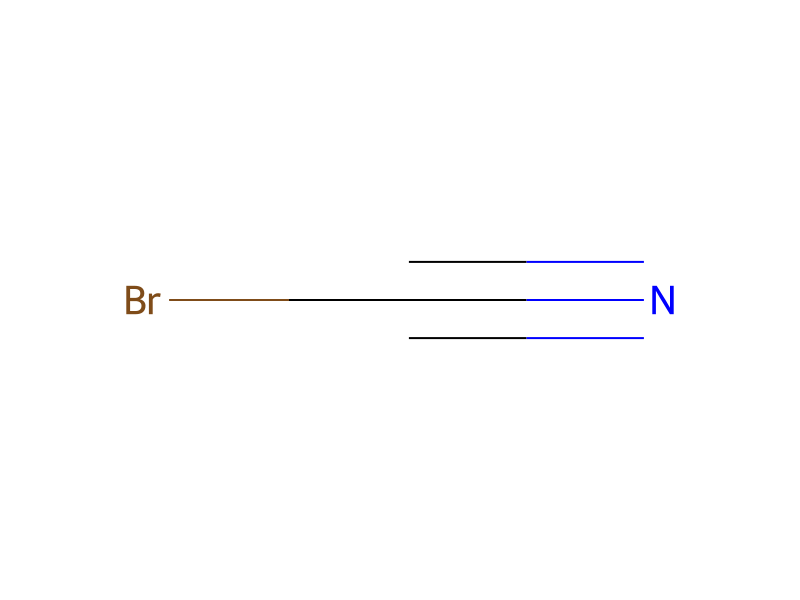
Cyanogen Bromide → HCID 18699937, compound
Reaction equation

[N:1]#[C:2]Br.[N:4]1([CH2:11][C:12]2[S:13][C:14]([C:17]([NH:19][NH2:20])=[O:18])=[CH:15][CH:16]=2)[CH2:10][CH2:9][CH2:8][CH2:7][CH2:6][CH2:5]1>C(O)C>[NH2:1][C:2]1[O:18][C:17]([C:14]2[S:13][C:12]([CH2:11][N:4]3[CH2:10][CH2:9][CH2:8][CH2:7][CH2:6][CH2:5]3)=[CH:16][CH:15]=2)=[N:19][N:20]=1Participants
4
Reactant 2

Product 1

Reagents, catalysts & solvents 1

Procedure
2.5 g (23.57 mmol) of cyanogen bromide was added to 250 ml of ethanol solution containing 5.43 g (21.43 mmol) of 2-(hexahydro-1H-azepin-1-yl)methylthiophene-5-carboxylic acid hydrazide, and the mixture was stirred at room temperature for 2 hours and then at 50° C. for 7 hours. The reaction solution was concentrated under a reduced pressure, saturated sodium bicarbonate aqueous solution and chloroform were added to the resulting residue. Then, the resulting organic layer was separated, washed with saturated brine and then dried over anhydrous magnesium sulfate. The solvent was evaporated and the resulting residue was recrystallized from ethyl acetate to give 2.43 g of the title compound.
Workup
- waitat 50° C. for 7 hours
- concentrationThe reaction solution was concentrated under a reduced pressure, saturated sodium bicarbonate aqueous solution and chloroform
- additionwere added to the resulting residue
- customThen, the resulting organic layer was separated
- washwashed with saturated brine
- dry with materialdried over anhydrous magnesium sulfate
- customThe solvent was evaporated
- customthe resulting residue was recrystallized from ethyl acetate
Sources & evidence
- ORD record
- ord-b92c754fe7404644b17285bea76c60fc
- Source dataset
- uspto-grants-2000_07
- Patent number
- US06090804
Reaction notes
Loading…