Chloroform → 5-bromo-6-(methylsulfamoyl)-N-acetylindoline
Reaction equation

[Br:1][C:2]1[CH:3]=[C:4]2[C:8](=[CH:9][C:10]=1[S:11](Cl)(=[O:13])=[O:12])[N:7]([C:15](=[O:17])[CH3:16])[CH2:6][CH2:5]2.CN.[CH2:20]([N:22](CC)CC)C.C(Cl)(Cl)Cl>O1CCCC1>[Br:1][C:2]1[CH:3]=[C:4]2[C:8](=[CH:9][C:10]=1[S:11](=[O:13])(=[O:12])[NH:22][CH3:20])[N:7]([C:15](=[O:17])[CH3:16])[CH2:6][CH2:5]2Participants
6

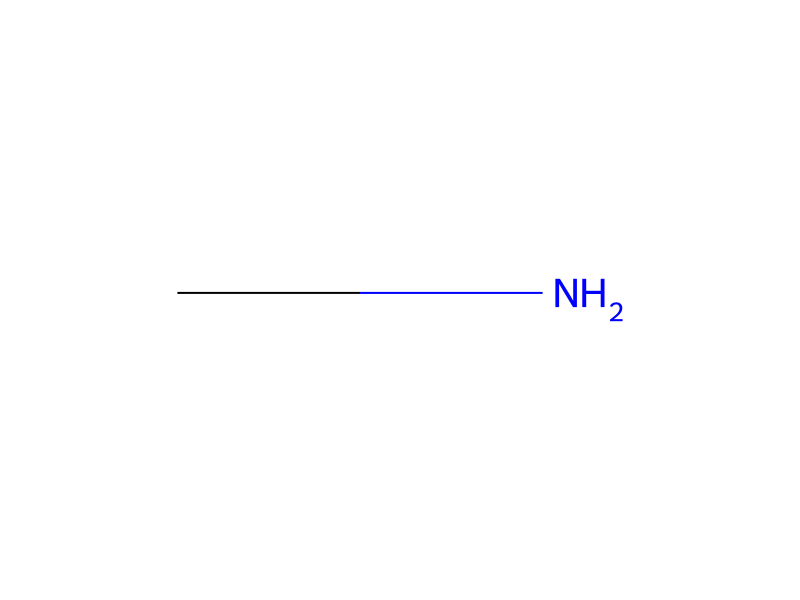




Procedure
To a suspension of 5-bromo-6-chlorosulfonyl-N-acetylindoline, 71.83 g (0.212 mol) in tetrahydrofuran was added a 40% aqueous solution of 2 equivalents of methylamine and 2 equivalents of triethylamine. The mixture was heated to reflux for 1.5 hours, then allowed to cool. Thin layer chromatography with chloroform showed that the reaction was complete. The cooled mixture was evaporated under reduced pressure, and the resulting white solid was suppended in hot methanol, filtered and washed with methanol and allowed to dry overnight. 65.12 g of 5-bromo-6-methylsulfamoyl-N-acetylindoline was obtained (92% by weight yield).
Workup
- temperatureThe mixture was heated
- temperatureto reflux for 1.5 hours
- temperatureto cool
- customThe cooled mixture was evaporated under reduced pressure
- filtrationfiltered
- washwashed with methanol
- customto dry overnight
Sources & evidence
- ORD record
- ord-74cce179f5f642b2867624aa9b45c43c
- Source dataset
- uspto-grants-1986_10
- Patent number
- US04615966
Reaction notes
Loading…