Hexamethylenetetramine → HCID 14250980, compound
Reaction equation

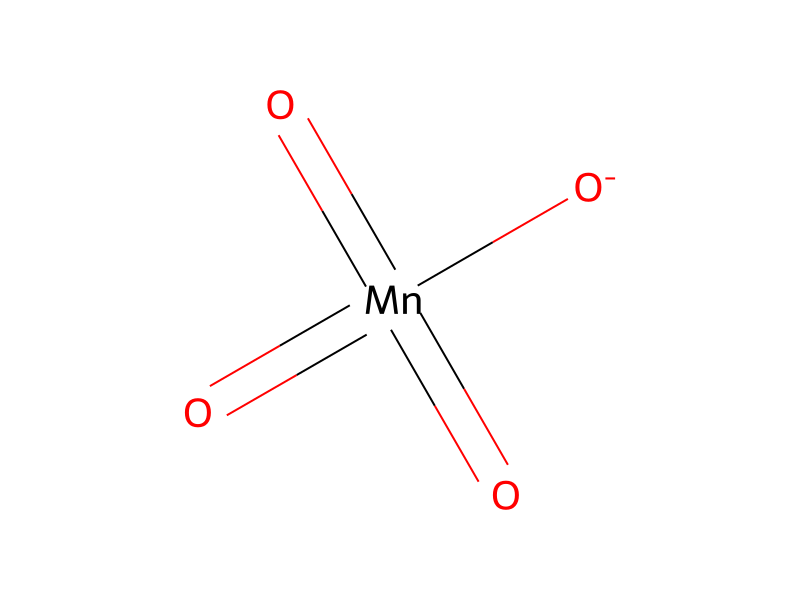
NCC1C2C(=CC(S(O)(=O)=[O:14])=CC=2)C=CC=1.[CH:17]([C:19]1[C:28]2[C:23](=[CH:24][C:25]([S:29]([OH:32])(=[O:31])=[O:30])=[CH:26][CH:27]=2)[CH:22]=[CH:21][CH:20]=1)=[O:18].C1N2CN3CN(C2)CN1C3.[Mn]([O-])(=O)(=O)=O>>[C:17]([C:19]1[C:28]2[C:23](=[CH:24][C:25]([S:29]([OH:32])(=[O:31])=[O:30])=[CH:26][CH:27]=2)[CH:22]=[CH:21][CH:20]=1)([OH:14])=[O:18]Participants
5



Procedure
The 1-aminomethylnaphthalene-6-sulphonic acid can be converted into 1-formylnaphthalene-6-sulphonic acid in a manner which is known per se by a Sommelet reaction (see, for example, Houben Weyl, Methoden der Organischen Chemie (Methods of Organic Chemistry), 4th edition, volume 7/1 page 198 or Organic Reactions 8, 197 (1954)), that is to say by reaction with hexamethylenetetramine. The 1-formylnaphthalene-6-sulphonic acid is in turn oxidized by processes known for the oxidation of aldehydes to carboxylic acids (see, for example, Houben Weyl loc. cit. volume 8, pages 407-413), for example by oxidation with permanganate (see, for example, Houben Weyl, volume 4 I/b, pages 615-621), to give 1-carboxynaphthalene-6-sulphonic acid.
Sources & evidence
- ORD record
- ord-bed6bf7d6205427b9ed704daee3b4cc1
- Source dataset
- uspto-grants-1989_01
- Patent number
- US04795596
Reaction notes
Loading…