Dichloromethane → L-Isoleucine
Reaction equation

C1(C2C=CC=CC=2)C=CC(C(=O)CN2CCC[C@H]2C(O)=O)=CC=1.C(N1CCOCC1)C.ClCCl.C1(C(N)=O)C2C(=CC=CC=2)CCN1.[NH2:48][C@H:49]([C:54]([OH:56])=[O:55])[C@H:50]([CH2:52][CH3:53])[CH3:51]>C(#N)C>[NH2:48][C@H:49]([C:54]([OH:56])=[O:55])[C@H:50]([CH2:52][CH3:53])[CH3:51]Participants
6




Procedure
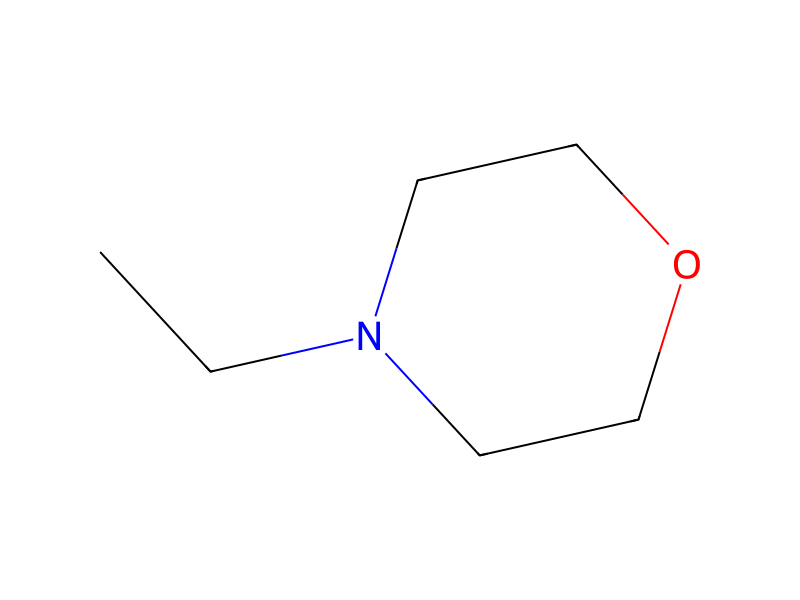
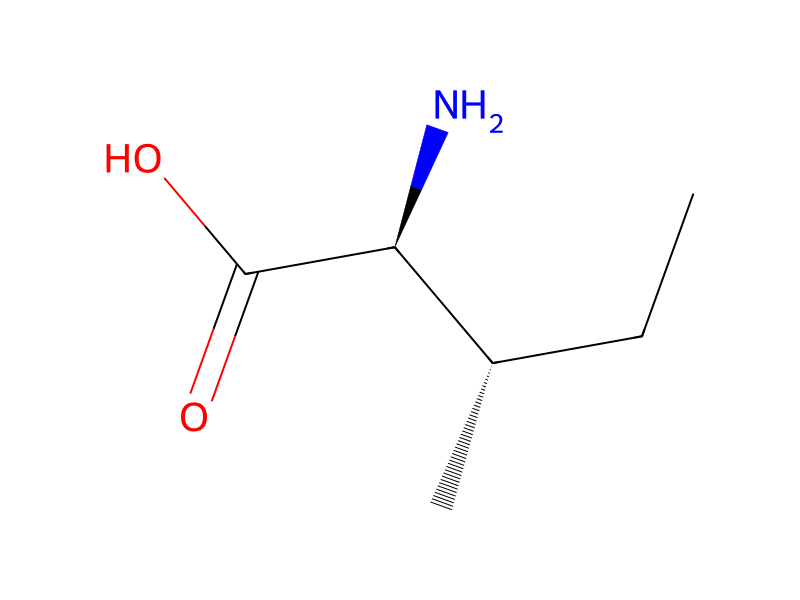
A solution of N-[2-(biphenyl-4-yl)-2-oxoethyl] L-proline (50 mg, 0.16 mmol, 1.0 eq), N-ethylmorpholine (125 uL, 0.97 mmol, 6 eq) in acetonitrile (0.5 mL) was cooled to 0° C. and treated with a 50% solution of 1-n-propylphosphonic acid cyclic anhydride in dichloromethane (170 uL, 0.26 mmol, 1.6 eq) followed by the L-isoleucine 1,2,3,4-tetrahydroisoquinolinamide (47.9 mg, 0.19 mmol, 1.2 eq). Purification by HPLC provided 5.53 mg (6.3%) of L-Isoleucine, N-[1-(2-(Biphenyl-4-yl)-2-oxoethyl)-L-prolyl]1,2,3,4-tetrahydroisoquinolinamide.
Workup
- customPurification by HPLC
Sources & evidence
- ORD record
- ord-ac8608ae64f14d49bbdb55fa33b92d0b
- Source dataset
- uspto-grants-1997_11
- Patent number
- US05686424
Reaction notes
Loading…