Ammonia → 2,6-Dimethylcyclohexylamine
Reaction equation

[CH3:1][C:2]1[CH:7]=[CH:6][CH:5]=[C:4]([CH3:8])[C:3]=1O.[O-2].[Pr+3].[O-2].[O-2].[Pr+3].[O-2].[Al+3].[O-2].[O-2].[Al+3].[NH3:20]>[H][H].[Pd]>[CH3:1][CH:2]1[CH2:7][CH2:6][CH2:5][CH:4]([CH3:8])[CH:3]1[NH2:20]Participants


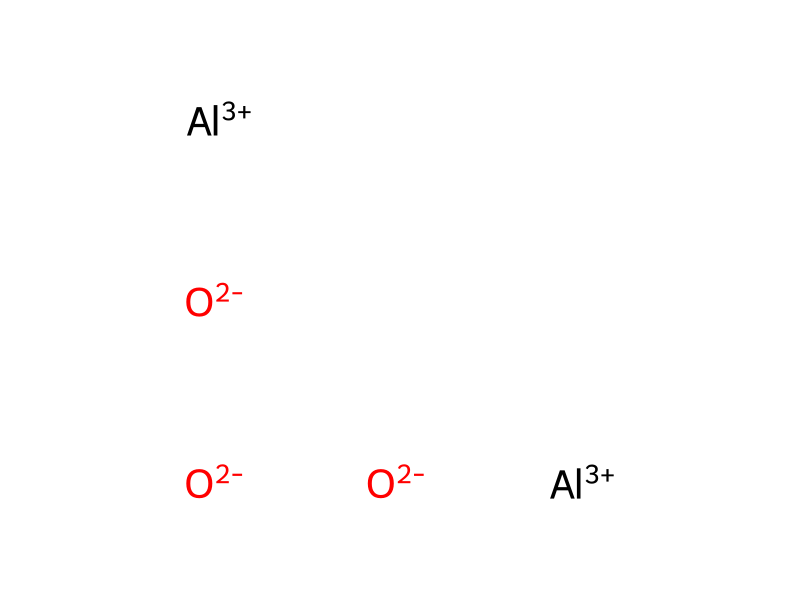



Conditions
- Temperature
- 230 °C
Procedure
1.650 kg of 2,6-dimethylphenol and 150 g of a pulverulent catalyst which contains 5.0% by weight of palladium and 2.5% by weight of praseodymium oxide, the remainder being aluminum oxide, are introduced into a 10 l stirred autoclave. The autoclave is closed and 1.370 kg of ammonia are forced in. The mixture is then heated to 230° C. and a pressure of 200 bar is established by forcing in hydrogen. The mixture is kept at the reaction temperature until a constant pressure is achieved (about 8 hours). It is then left to cool, and is filtered to give 1.710 kg of crude 2,6-dimethylcyclohexylamine (a mixture of 3 stereoisomeric 2,6-dimethylcyclohexylamines). The crude product is distilled to give 1.685 kg of 2,6-dimethylcyclohexylamine, boiling point=167°-168° C., corresponding to a yield of 98%.
Workup
- additionare introduced into a 10 l
- customThe autoclave is closed
- custom(about 8 hours)
- waitIt is then left
- temperatureto cool
- filtrationis filtered
Sources & evidence
- ORD record
- ord-88a026750b744c7c9ed03bcef7aacd3f
- Source dataset
- uspto-grants-1984_01
- Patent number
- US04429155
Reaction notes
Loading…