Ammonia → 2,6-Dimethylcyclohexylamine
Reaction equation

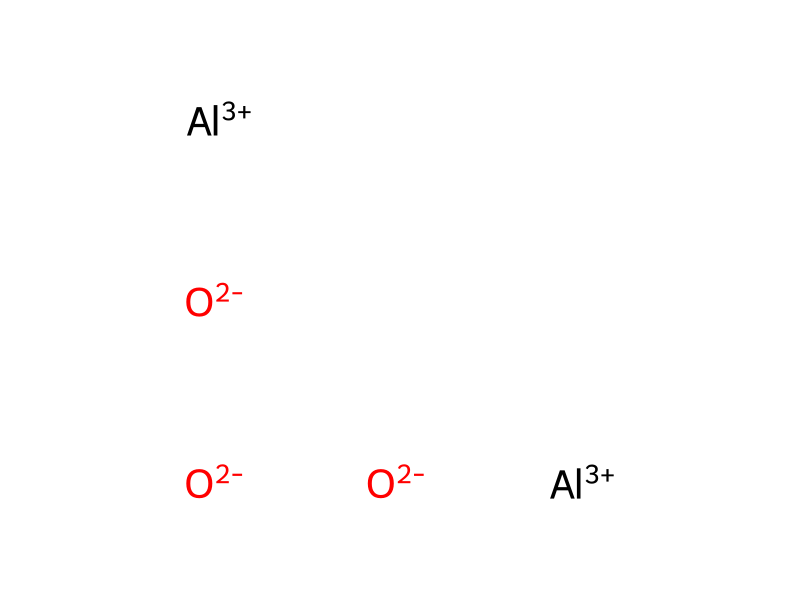
[O-2].[Pr+3].[O-2].[O-2].[Pr+3].[O-2].[Al+3].[O-2].[O-2].[Al+3].[CH3:11][C:12]1[CH:17]=[CH:16][CH:15]=[C:14]([CH3:18])[C:13]=1O.[NH3:20]>[Pd].[H][H]>[CH3:11][CH:12]1[CH2:17][CH2:16][CH2:15][CH:14]([CH3:18])[CH:13]1[NH2:20]Participants
7





Conditions
- Temperature
- 200 °C
Procedure
A catalyst consisting of 1.0% by weight of palladium and 0.5% by weight of praseodymium oxide, the remainder being aluminum oxide, in extrudate form is introduced into a 1 l cylindrical reaction tube and is heated to 200° C. A mixture of 60 g of 2,6-dimethylphenol and 360 g of liquid ammonia per hour is passed over this catalyst bed. At the same time, 100 liters (S.T.P.) of hydrogen are passed in co-current through the reaction tube under a pressure of 200 bar. The reaction product which leaves the tube is cooled under superatmospheric pressure and is then let down. About 62 g of crude product, which gives 60 g of pure 2,6-dimethylcyclohexylamine (corresponding to a yield of 96%) on distillation, are thereby obtained per hour.
Workup
- additionin extrudate form is introduced into a 1 l cylindrical reaction tube
- customThe reaction product which leaves the tube
- temperatureis cooled under superatmospheric pressure
Sources & evidence
- ORD record
- ord-69e1b3a758594fbfa3369f462d571be0
- Source dataset
- uspto-grants-1984_01
- Patent number
- US04429155
Reaction notes
Loading…