Tetramethoxysilane → Tetraethoxysilane
Reaction equation

[Cl:1][CH2:2][CH2:3][CH2:4][Si:5]([O:12][CH3:13])([O:9][CH2:10][CH3:11])[O:6][CH2:7][CH3:8].[CH2:14]([OH:16])[CH3:15].CO.C([C:31]1[CH:36]=CC=CC=1S(O)(=O)=O)CCCCCCCCCCC.CO[Si](OC)(OC)OC>C(O)C>[Cl:1][CH2:2][CH2:3][CH2:4][Si:5]([O:12][CH2:13][CH3:14])([O:6][CH2:7][CH3:8])[O:9][CH2:10][CH3:11].[Cl:1][CH2:2][CH2:3][CH2:4][Si:5]([O:12][CH3:13])([O:6][CH2:7][CH3:8])[O:9][CH2:10][CH3:11].[CH2:14]([O:16][Si:5]([O:12][CH2:36][CH3:31])([O:9][CH2:10][CH3:11])[O:6][CH2:7][CH3:8])[CH3:15]Participants
Reactant 4


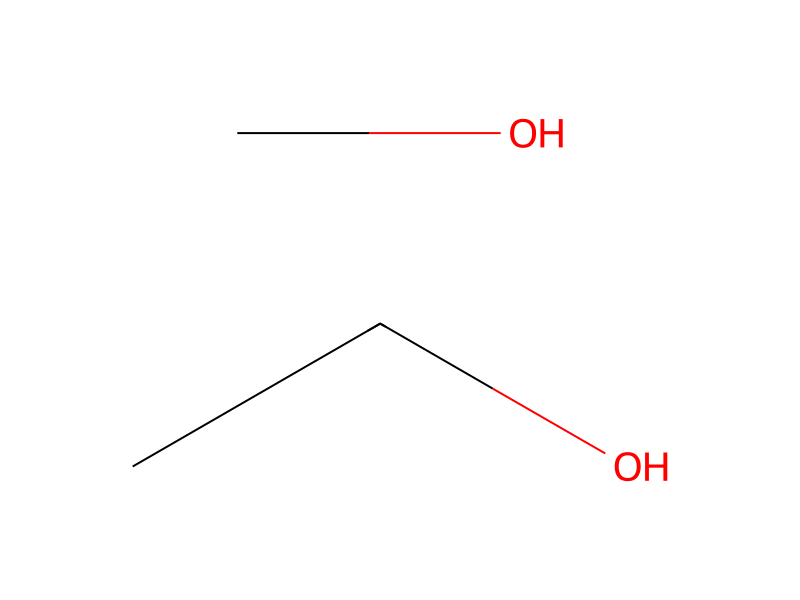

Product 3

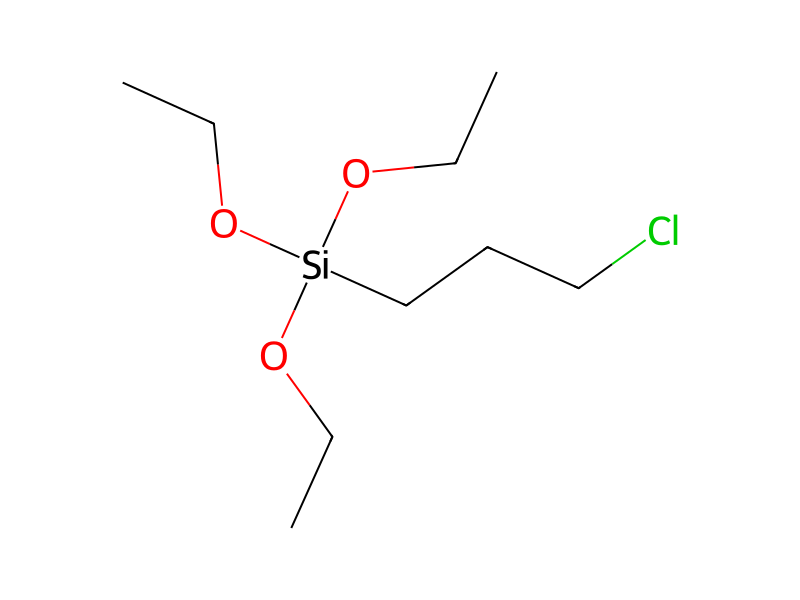
Reagents, catalysts & solvents 1

Procedure
Similar product, containing less than 0.3% 3-chloropropylmethoxydiethoxysilane, was prepared under similar conditions except that an ethanol/methanol mixture (96% ethanol) was fed at midpoint of the first column with pure ethanol being fed to its bottom flask and dodecylbenzenesulfonic acid (0.2 wt-% relative to starting silane) was used as the transesterification catalyst. This demonstrates the effective use of a less pure recycle stream, which is significant, since 100% molar excess of ethanol is used. 3-Chloropropyltriethoxysilane of similar relative purity (low 3-chloropropylmethoxydiethoxysilane content) was prepared when the feed contained several percent tetramethoxysilane, providing 7% tetraethoxysilane in the product stream.
Sources & evidence
- ORD record
- ord-b8cfc68b781b4af19bac9043545b6191
- Source dataset
- uspto-grants-2002_12
- Patent number
- US06489500B2
Reaction notes
Loading…