HCID 9923910, compound → HCID 18380205, compound
Reaction equation

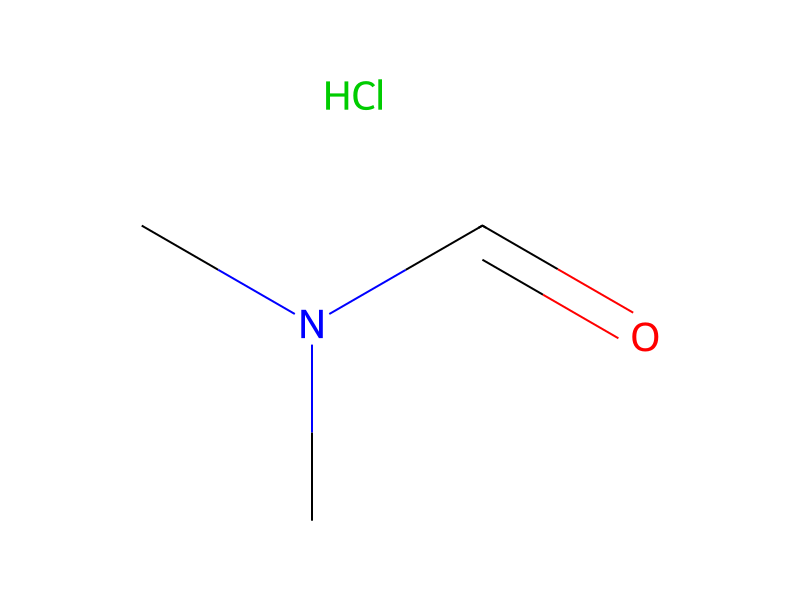
[S:1]1[CH:5]=[CH:4][CH:3]=[C:2]1[CH:6]1[O:10][CH2:9][N:8]([CH:11]([C:19]([O:21][CH3:22])=[O:20])C2C=CC=CC=2Cl)[CH2:7]1.[ClH:23].C[N:25]([CH:27]=O)C>>[OH:10][CH:6]1[CH2:7][N:8]([CH:11]([C:19]([O:21][CH3:22])=[O:20])[NH:25][C:27]2[CH:7]=[CH:6][CH:2]=[CH:3][C:4]=2[Cl:23])[CH2:9][C:3]2[CH:4]=[CH:5][S:1][C:2]1=2Participants


Procedure
The reduction of the methyl N-(2-(2-thienyl)-2-oxoethyl)-o-chlorophenylglycinate 20 to the corresponding alcohol results in a mixture of diastereoisomeric alcohols methyl N-(2-(2-thienyl)-2-hydroxyethyl)-o-chlorophenylglycinate 21. Reaction with formaline provides the 5-(2-thienyl)-3-(methoxycarbonyl-o-chlorobenzyl)-1,3-oxazolidine 22. Rearrangement of the 5-(2-thienyl)oxazolidine 22 derivative occurs in dry HCl/DMF solution to produce the desired methyl α-(7-hydroxy-4,5,6,7-tetrahydro-5-thieno[3,2-c]pyridyl)-o-chlorophenylglycinate 23. Finally, the alcohol is reduced to the racemic 24 or dextrorotatory clopidogrel 2 by direct dehydroxylation, e.g. treatment with stannous chloride under acidic conditions. Alternatively, derivatization of hydroxyl group to a leaving group followed by reduction or stepwise elimination/reduction of the corresponding 4,5-dihydropyridyl intermediate is conducive to the synthesis of racemic 24 or dextrorotatory clopidogrel 2. Treatment with carbonyl diimidazole, heating, followed by sodium borohydride reduction is provided as a non-limiting example.
Sources & evidence
- ORD record
- ord-d1bdb35948f54738be3ae645ee31bf3d
- Source dataset
- uspto-grants-2002_12
- Patent number
- US06495691B1
Reaction notes
Loading…