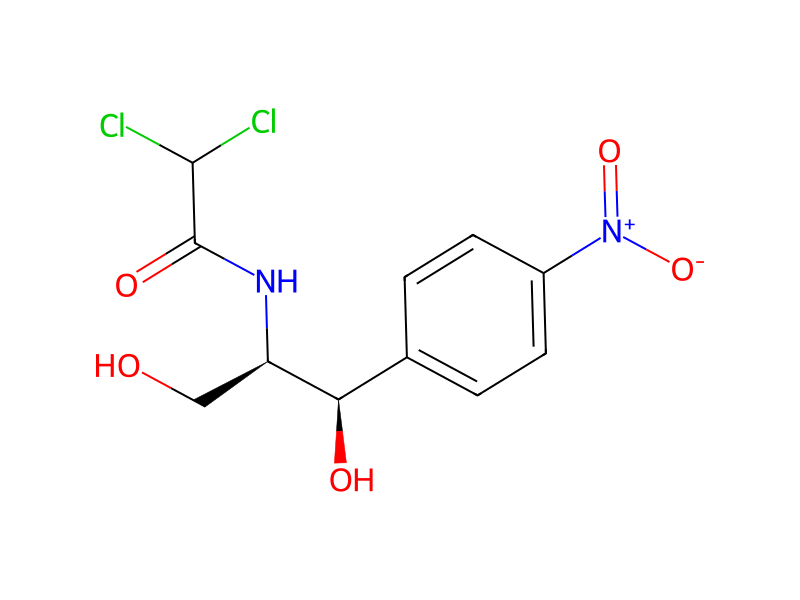
Chloramphenicol → HCID 178515956, compound
Reaction equation

C[C@H]1O[C@H]2O[C@H:10]3[C@H:15](O[C@@]2(O)C(=O)C1)[C@@H:14](NC)[C@@H:13](O)[C@@H:12]([NH:20]C)[C@@H:11]3[OH:22].CC1(C)S[C@@H]2[C@H](NC([C@H](N)C3C=CC=CC=3)=O)C(=[O:32])N2[C@H]1C(O)=O.[CH:48]1[C:53]([C@@H](O)[C@H](NC(C(Cl)Cl)=O)CO)=[CH:52][CH:51]=[C:50]([N+:65]([O-])=O)[CH:49]=1.C(O)CCO>>[CH:52]1[CH:51]=[C:50]([NH:65]/[N:20]=[C:12]2\[CH:13]=[CH:14][CH:15]=[CH:10][C:11]\2=[O:22])[C:49]([OH:32])=[CH:48][CH:53]=1Participants
5



Procedure
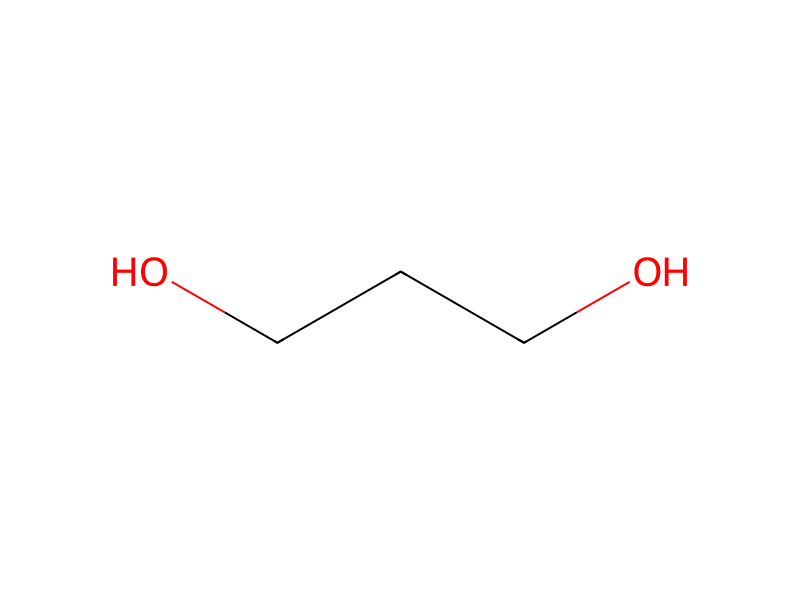
coli strain FM5 was transformed with the dha plasmid pDT24 (specR), the btuB plasmids pBtuB1 (ampR) or pBtuB2 (chlR), or the btuBCED plasmid pBCED (chlR). Selection is on LB plates containing 50 mg/L spectinomycin, 50 mg/L ampicillin or 100 mg/L chloramphenicol. Colonies resistant to the appropriate antibiotics were used for 1,3-propanediol production and vitamin or coenzyme B12 uptake.
Sources & evidence
- ORD record
- ord-1cebfe767628491880a243f7b1e81576
- Source dataset
- uspto-grants-2002_08
- Patent number
- US06432686B1
Reaction notes
Loading…