Iodine → 1-{[1-(4-Iodophenyl)cyclopropyl]carbonyl}pyrrolidine
Reaction equation

[C:1]1([C:7]2([C:10]([N:12]3[CH2:16][CH2:15][CH2:14][CH2:13]3)=[O:11])[CH2:9][CH2:8]2)[CH:6]=[CH:5][CH:4]=[CH:3][CH:2]=1.S(=O)(=O)(O)O.[I:22](O)(=O)(=O)=O.II.S(S([O-])=O)([O-])(=O)=O.[Na+].[Na+]>C(O)(=O)C.O>[I:22][C:4]1[CH:3]=[CH:2][C:1]([C:7]2([C:10]([N:12]3[CH2:16][CH2:15][CH2:14][CH2:13]3)=[O:11])[CH2:8][CH2:9]2)=[CH:6][CH:5]=1Participants
Reactant 5


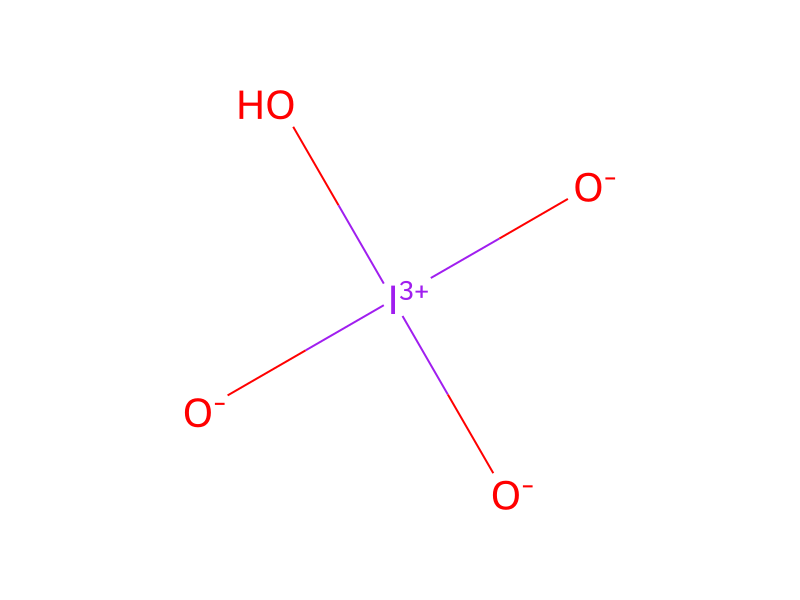
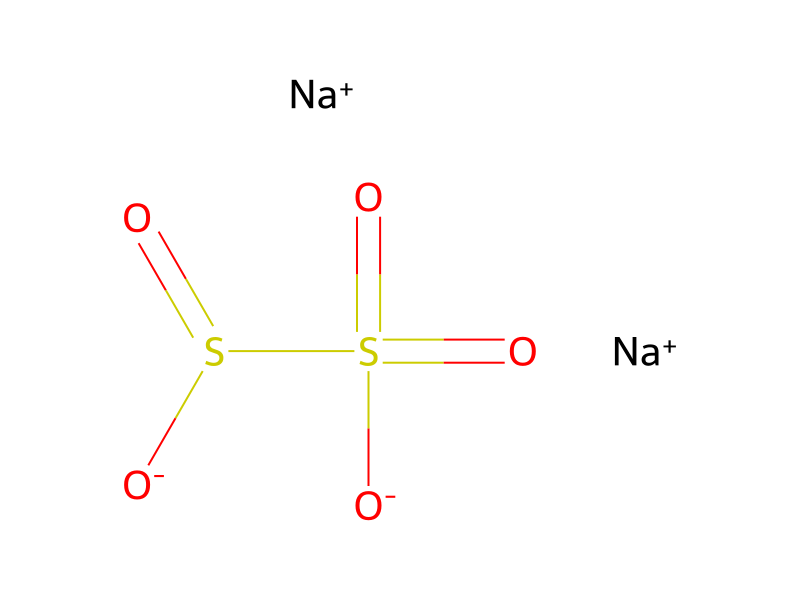

Product 1

Reagents, catalysts & solvents 2


Conditions
- Temperature
- 60 °C
Procedure
1-[(1-phenylcyclopropyl)carbonyl]pyrrolidine (0.75 g, 3.49 mmol) was dissolved in glacial acetic acid (14 ml) and treated successively with concentrated sulfuric acid (0.4 ml), water (1.5 ml), periodic acid (184 mg, 0.8 mmol), and iodine (379 mg, 1.49 mmol). This mixture was then stirred at 60° C. for 6 hours and then allowed to cool to room temperature. The reaction mixture was poured into a 10% aqueous solution of sodium metabisulfite and extracted into ethyl acetate. The organic layer was separated and dried over anhydrous sodium sulphate and evaporated under reduced pressure to give a yellow oil (1.45 g) which was added to a 20 g pre-packed silica column and eluted from 0-50% ethyl acetate in petroleum ether to give the title compound as a yellow oil (0.62 g, 52%).
Workup
- temperatureto cool to room temperature
- extractionextracted into ethyl acetate
- customThe organic layer was separated
- dry with materialdried over anhydrous sodium sulphate
- customevaporated under reduced pressure
Sources & evidence
- ORD record
- ord-c03e32d4a4ff4b82b3b5d5621c5558b9
- Source dataset
- uspto-grants-2009_07
- Patent number
- US07566735B2
Reaction notes
Loading…