2-[(2-Chloro-6-nitrophenyl)methyl]-4,4-dimethyl-3-isoxazolidinone → 2-[(6-Amino-2-chlorophenyl)methyl]-4,4-dimethyl-3-isoxazolidinone
Reaction equation

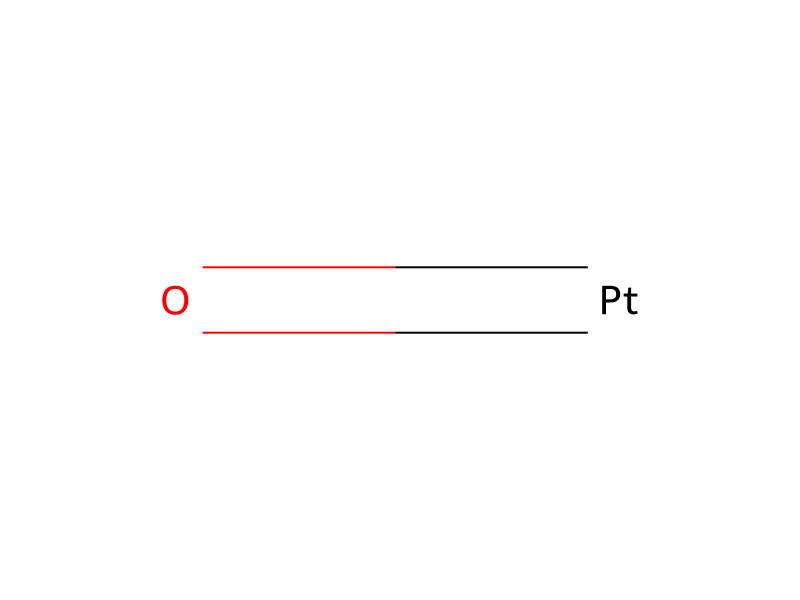
[Cl:1][C:2]1[CH:7]=[CH:6][CH:5]=[C:4]([N+:8]([O-])=O)[C:3]=1[CH2:11][N:12]1[C:16](=[O:17])[C:15]([CH3:19])([CH3:18])[CH2:14][O:13]1.[H][H]>C(O)C.[Pt]=O>[NH2:8][C:4]1[C:3]([CH2:11][N:12]2[C:16](=[O:17])[C:15]([CH3:18])([CH3:19])[CH2:14][O:13]2)=[C:2]([Cl:1])[CH:7]=[CH:6][CH:5]=1Participants
Reactant 2


Product 1

Reagents, catalysts & solvents 2

Procedure
Under an argon atmosphere, platinum oxide (0.3 g) was added to a Parr bottle (500 ml), followed by a solution of 2-[(2-chloro-6-nitrophenyl)methyl]-4,4-dimethyl-3-isoxazolidinone (9.4 g, 0.033 mole) in ethanol (150 ml). The Parr bottle was placed on a Parr hydrogenation apparatus and charged with hydrogen. The reaction mixture was allowed to shake until the calculated amount of hydrogen was absorbed. The catalyst was removed by vacuum filtration. The filtrate was concentrated under reduced pressure to a residue. The residue was chromatographed on silica gel, eluting with 1:4 ethyl acetate:heptane. The appropriate fractions were combined and concentrated under reduced pressure to yield 5.0 g of 2-[(6-amino-2-chlorophenyl)methyl]-4,4-dimethyl-3-isoxazolidinone as a white solid.
Workup
- customwas absorbed
- customThe catalyst was removed by vacuum filtration
- concentrationThe filtrate was concentrated under reduced pressure to a residue
- customThe residue was chromatographed on silica gel
- washeluting with 1:4 ethyl acetate
- concentrationconcentrated under reduced pressure
Sources & evidence
- ORD record
- ord-6436e4a5ef6d43208283fc23f29d1e20
- Source dataset
- uspto-grants-1987_09
- Patent number
- US04692182
Reaction notes
Loading…