Glutaraldehyde → L-Aspartic Acid
Reaction equation

C(=O)CCCC=O.[C:8]([O-:15])(=[O:14])/[CH:9]=[CH:10]/[C:11]([O-:13])=[O:12].[NH4+:16].[NH4+].[Cl-].[Mg+2].[Cl-]>P([O-])([O-])([O-])=O>[NH2:16][C@H:9]([C:8]([OH:15])=[O:14])[CH2:10][C:11]([OH:13])=[O:12]Participants
Reactant 3


Product 1

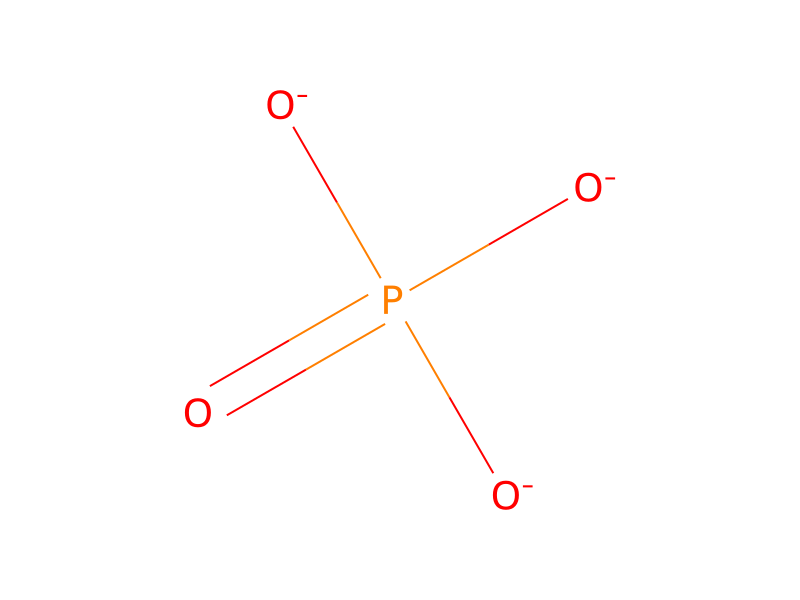
Reagents, catalysts & solvents 1
Procedure
The microbial cells of Escherichia coli TA5004 (10 g) was suspended in 0.05 M phosphate buffer (pH 8.5, 50 ml) and sonicated at 9 Kc for 15 minutes. Then, the suspension was centrifuged and the resulting supernatant (40 ml) was passed through a column packed with Duolite-A7 (a weak basic anion exchange resin manufactured by Diamond Shamrock Chemical Co. in U.S.A.) (60 ml) at room temperature at 30 ml/hr. Then, the column was subjected to cross-linking treatment with a solution containing 0.1 M phosphate buffer (pH 8.5, 300 ml) and 0.4% glutaraldehyde (300 ml) for 30 minutes and excess glutaraldehyde was thoroughly washed out to give an immobilized enzyme. The immobilized enzyme was packed in a column (volume 50 ml) and 1 M ammonium fumarate solution containing 1 mM magnesium chloride (pH 8.5, 500 ml) was passed through the column at the flow rate of 25 ml/hr. The combined effluent was adjusted to pH 2.8 to precipitate crystals. The crystals were filtered off to give L-aspartic acid (55 g).
Workup
- customsonicated at 9 Kc for 15 minutes
- customat room temperature
- washexcess glutaraldehyde was thoroughly washed out
- customto give an immobilized enzyme
- customto precipitate crystals
- filtrationThe crystals were filtered off
Sources & evidence
- ORD record
- ord-5fe3dd5c56f84bd8b5e6de1065a028fc
- Source dataset
- uspto-grants-1987_09
- Patent number
- US04692409
Reaction notes
Loading…