Dimethyl Sulfoxide → 4-[p-(2-Cyanoethyl)phenyl]pentylcyclohexane
Reaction equation

Cl[CH2:2][CH2:3][C:4]1[CH:9]=[CH:8][C:7]([CH:10]([CH3:20])[CH2:11][CH2:12][CH2:13][CH:14]2[CH2:19][CH2:18][CH2:17][CH2:16][CH2:15]2)=[CH:6][CH:5]=1.CS(C)=O.[C-:25]#[N:26].[Na+].Cl[O-].[Na+]>O>[C:25]([CH2:2][CH2:3][C:4]1[CH:9]=[CH:8][C:7]([CH:10]([CH3:20])[CH2:11][CH2:12][CH2:13][CH:14]2[CH2:19][CH2:18][CH2:17][CH2:16][CH2:15]2)=[CH:6][CH:5]=1)#[N:26]Participants
6




Procedure
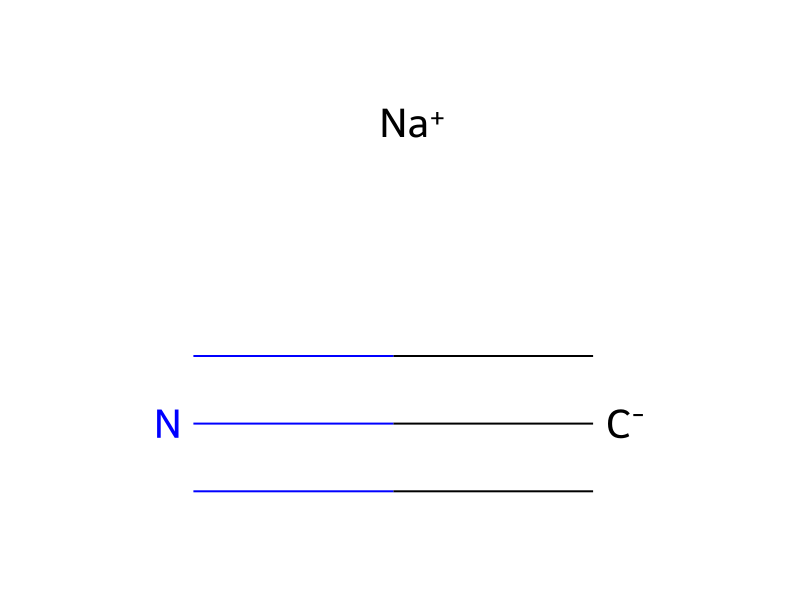
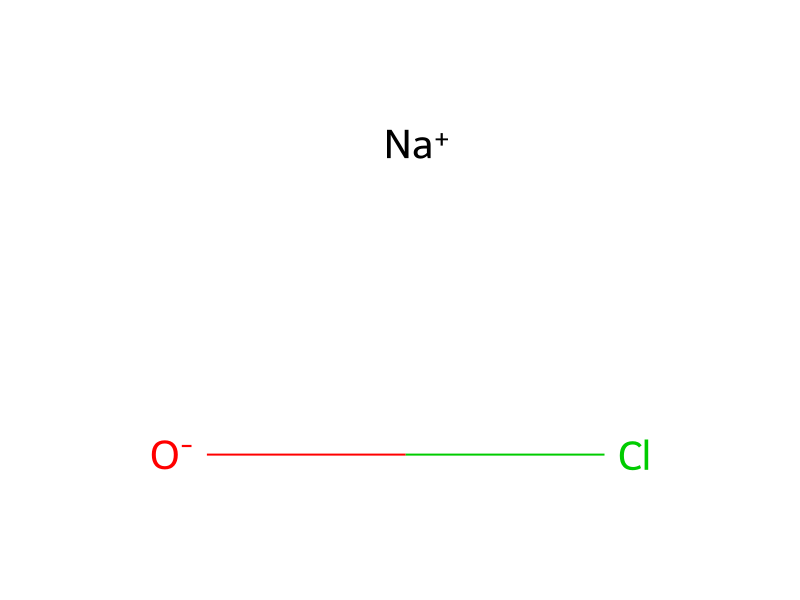
9 Grams of the 4-[p-(2-chloroethyl)phenyl]pentylcyclohexane, 100 ml of dimethyl sulfoxide ((CH3)2SO) and 23 g of sodium cyanide (NaCN) were stirred together at 140° to 150° C. for 2 hours. After the resulting mixture was cooled, a 10% aqueous sodium hypochlorite (NaClO) solution was added. Further, water was added thereto, and the precipitate was recrystallized from ligroin to obtain 4-[p-(2-cyanoethyl)phenyl]pentylcyclohexane. The melting point of this compound was 44° to 46° C.
Workup
- temperatureAfter the resulting mixture was cooled
- customthe precipitate was recrystallized from ligroin
Sources & evidence
- ORD record
- ord-61da5bc4ea0f469096927aedc166b160
- Source dataset
- uspto-grants-1987_09
- Patent number
- US04694098
Reaction notes
Loading…