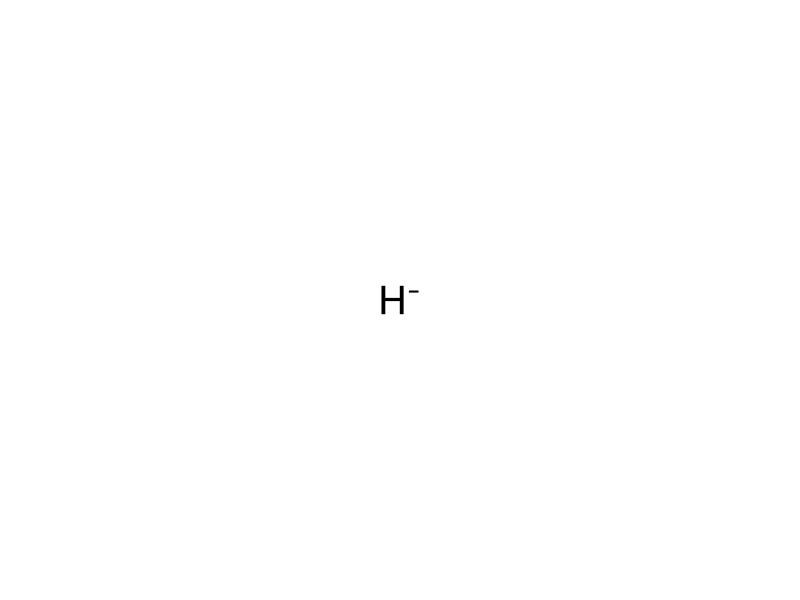
Hydride → HCID 13603320, compound
Reaction equation

[CH2:1]([N:3]1[C:11]2[CH:10]=[C:9]3[C:12](=[O:15])[CH2:13][O:14][C:8]3=[CH:7][C:6]=2[CH2:5][C:4]1=[O:16])[CH3:2].[BH4-].[Na+].[H-]>CO>[CH2:1]([N:3]1[C:11]2[CH:10]=[C:9]3[CH:12]([OH:15])[CH2:13][O:14][C:8]3=[CH:7][C:6]=2[CH2:5][C:4]1=[O:16])[CH3:2]Participants
Reactant 3


Product 1

Reagents, catalysts & solvents 1

Procedure
To a slurry of 30 g. (0.138 mole) of 5-ethyl-3,6-dioxo-2,3,6,7-tetrahydro-furo[2,3-f]indole (Preparation A) in 1 l. of methanol cooled to 0° C. was added 5.24 g. (0.138 mole) of sodium borohydride. After 30 minutes an additional 2.6 g. (68.4 moles) of hydride was added and the reaction mixture allowed to stir for 1.5 hours. The reaction mixture was quenched by the addition of 50 ml. of a saturated brine solution and the resulting solution concentrated in vacuo. The residue was partitioned between 1 l. of a saturated brine solution and 1 l. of dichloromethane. The organic layer was separated and held, and the aqueous layer was extracted (4×300 ml.) with fresh dichloromethane. The organic extracts were combined, dried over magnesium sulfate and concentrated to give a quantitative yield of product. A small sample was recrystallized from diethyl ether, m.p. 144°-145° C.
Workup
- additionwas added 5.24 g
- customThe reaction mixture was quenched by the addition of 50 ml
- concentrationof a saturated brine solution and the resulting solution concentrated in vacuo
- customThe residue was partitioned between 1 l
- customThe organic layer was separated
- extractionheld, and the aqueous layer was extracted (4×300 ml.) with fresh dichloromethane
- dry with materialdried over magnesium sulfate
- concentrationconcentrated
Sources & evidence
- ORD record
- ord-99e0cbc7ce1349659ed17f029f3b80ee
- Source dataset
- uspto-grants-1987_09
- Patent number
- US04695571
Reaction notes
Loading…