1,2-Dichloroethane → 2-Chloro-4-fluoro-5-nitrobenzaldehyde
Reaction equation

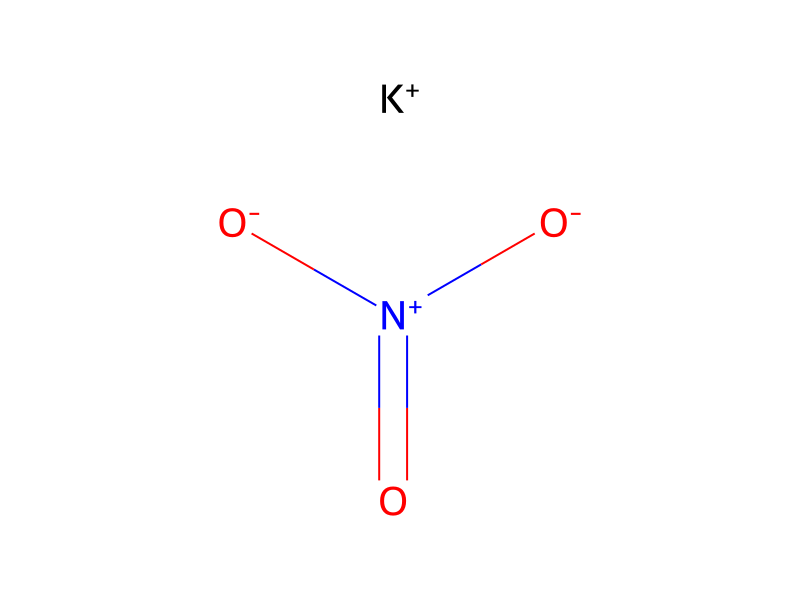
ClCCCl.[Cl:5][C:6]1[CH:13]=[C:12]([F:14])[CH:11]=[CH:10][C:7]=1[CH:8]=[O:9].[N+:15]([O-])([O-:17])=[O:16].[K+].S(=O)(=O)(O)O>C(Cl)Cl>[Cl:5][C:6]1[CH:13]=[C:12]([F:14])[C:11]([N+:15]([O-:17])=[O:16])=[CH:10][C:7]=1[CH:8]=[O:9]Participants





Procedure
To 300 ml of 1,2-dichloroethane that had been cooled to 0° C. was added 31.3 g (0.197 mole) of 2-chloro-4-fluorobenzaldehyde, prepared by the method of Example 2, Steps A and B. Subsequently, 19.96 g (0.197 mole) of potassium nitrate was added to the reaction mixture, and dropwise addition of 300 ml of concentrated sulfuric acid followed while maintaining the temperature between 0° C. and 5° C. The reaction was complete after 80 minutes, and 750 ml of methylene chloride was added to the reaction mixture. The phases were separated, and the sulfuric acid phase was extracted three times with 150 ml of methylene chloride. The extracts were combined with the organic phase before being washed three times with 450 ml of water. The extracts were dried over anhydrous magnesium sulfate, filtered, and the solvent was evaporated under reduced pressure, leaving an amber oil weighing 32.5 g as a residue. This oil was passed through a column of silica gel, eluting with ethyl acetate/heptane (1/4). The appropriate fractions were combined, and the solvent was evaporated under reduced pressure, leaving 26.0 g of 2-chloro-4-fluoro-5-nitrobenzaldehyde as an amber oil.
Workup
- customprepared by the method of Example 2, Steps A and B
- temperaturewhile maintaining the temperature between 0° C. and 5° C
- customThe phases were separated
- extractionthe sulfuric acid phase was extracted three times with 150 ml of methylene chloride
- washbefore being washed three times with 450 ml of water
- dry with materialThe extracts were dried over anhydrous magnesium sulfate
- filtrationfiltered
- customthe solvent was evaporated under reduced pressure
- customleaving an amber oil
- washeluting with ethyl acetate/heptane (1/4)
- customthe solvent was evaporated under reduced pressure
Sources & evidence
- ORD record
- ord-b6796875862347e59c359609be31541d
- Source dataset
- uspto-grants-1989_07
- Patent number
- US04846882
Reaction notes
Loading…