(2-Chloro-4-fluoro-5-nitrophenyl)methanol → (5-Amino-2-chloro-4-fluorophenyl)methanol
Reaction equation

[Cl:1][C:2]1[CH:9]=[C:8]([F:10])[C:7]([N+:11]([O-])=O)=[CH:6][C:3]=1[CH2:4][OH:5]>[Pt]=O.C(O)(=O)C>[Cl:1][C:2]1[CH:9]=[C:8]([F:10])[C:7]([NH2:11])=[CH:6][C:3]=1[CH2:4][OH:5]Participants
4
Reactant 1

Product 1

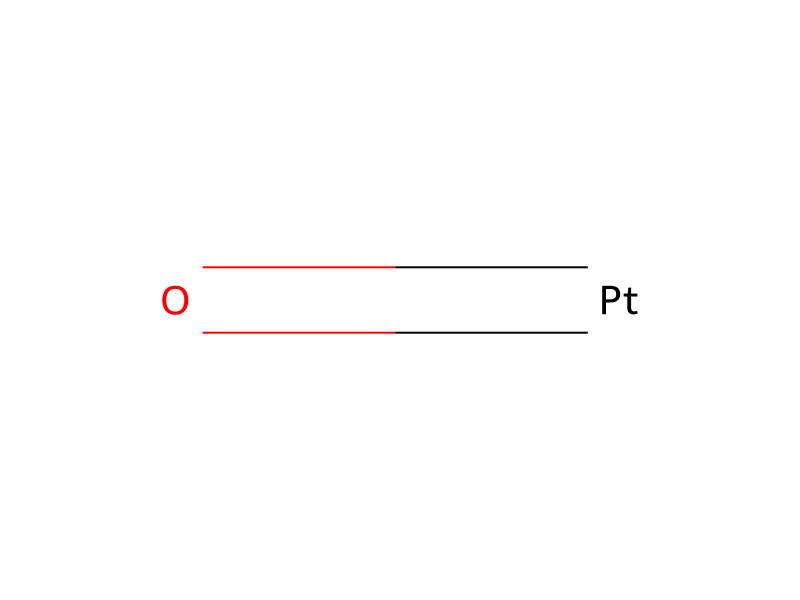
Reagents, catalysts & solvents 2

Procedure
In a Parr hydrogenation apparatus were placed 6.5 g (0.032 mole) of 2-chloro-4-fluoro-5-nitrobenzyl alcohol, 0.3 g of platinum oxide catalyst, and 100 ml of glacial acetic acid. Hydrogenation required 1.5 hours after which the catalyst was removed by filtration and the solvent was evaporated under reduced pressure, leaving 5.42 g of 2-chloro-4-fluoro-5-aminobenzyl alcohol as a tan solid. The nmr and ir spectra were consistent with the proposed structure.
Workup
- customHydrogenation required 1.5 hours after which the catalyst was removed by filtration
- customthe solvent was evaporated under reduced pressure
Sources & evidence
- ORD record
- ord-0511f10c3a69409e8dd92f0c1df21b33
- Source dataset
- uspto-grants-1989_07
- Patent number
- US04846882
Reaction notes
Loading…