Methanol → 5-Bromo-2-propyl-4-oxazolemethanol
Reaction equation

C[O:2][C:3]([C:5]1[N:6]=[C:7]([CH2:11][CH2:12][CH3:13])[O:8][C:9]=1[Br:10])=O.CC(C[AlH]CC(C)C)C.CO.C(C(C(C([O-])=O)O)O)([O-])=O.[Na+].[K+]>C(Cl)Cl>[Br:10][C:9]1[O:8][C:7]([CH2:11][CH2:12][CH3:13])=[N:6][C:5]=1[CH2:3][OH:2]Participants


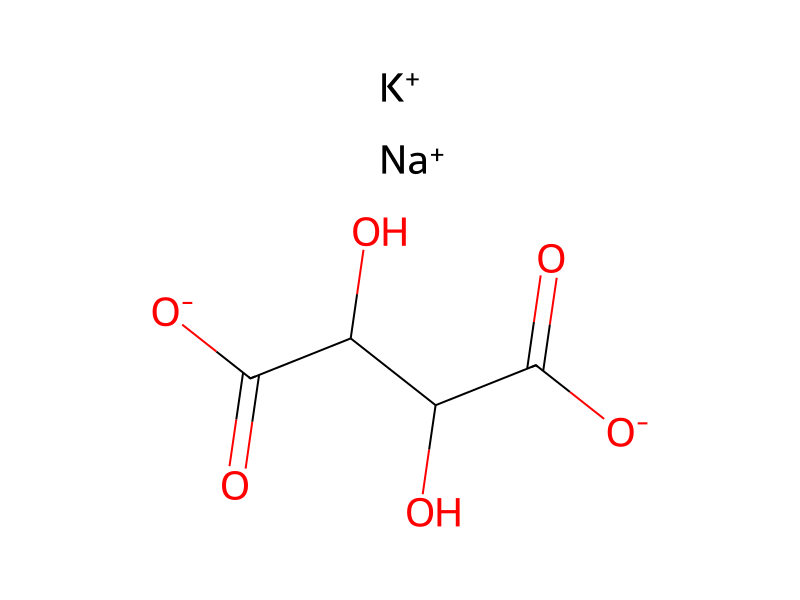



Conditions
- Temperature
- 0 °C
Procedure
A 4.245 g (17.12 mmol) sample of the compound from step 29a above was dissolved in 80 mL of methylene chloride and cooled to 0° C. DIBAL-H (1.0M in hexane, 37.0 mmol) was added via syringe. The resulting solution was stirred for 15 min. Methanol (2 mL) was added slowly, followed by 80 mL of satd. potassium sodium tartrate, and the mixture was stirred for 1 hour. The organic layer was separated, and the aqueous layer was extracted with 2×50 mL of methylene chloride. The organics were combined, dried over MgSO4 and concentrated. The residue was purified by column chromatography on silica gel, eluting with 20-60% ethyl acetate in hexane, to afford 3.490 g (93% yield) of the title product. MS:220(M+H)+, 222(M+H)+, 237(M+NH4)+, 239 (M+NH4)+. NMR (CDCl3) δ:4.50 (s, 2H), 2.72 (t, J=8 Hz, 2H), 2.0 (br s, 1H), 1.79 (sx, J=8 Hz, 2H), 1.00 (t, J=8 Hz, 3H).
Workup
- customThe organic layer was separated
- extractionthe aqueous layer was extracted with 2×50 mL of methylene chloride
- dry with materialdried over MgSO4
- concentrationconcentrated
- customThe residue was purified by column chromatography on silica gel
- washeluting with 20-60% ethyl acetate in hexane
Sources & evidence
- ORD record
- ord-bc034dde1b574a9fa1e916e1b1488e35
- Source dataset
- uspto-grants-1997_01
- Patent number
- US05597832
Reaction notes
Loading…