Alpha-Methylstyrene → Cumene
Reaction equation

[CH3:1][C:2]([C:4]1[CH:9]=[CH:8][CH:7]=[CH:6][CH:5]=1)=[CH2:3].[CH2:10]([CH:12]([CH2:15][CH2:16][CH2:17][CH3:18])[CH2:13][OH:14])[CH3:11]>[C].[Pd]>[CH2:10]([CH:12]([CH2:15][CH2:16][CH2:17][CH3:18])[CH2:13][OH:14])[CH3:11].[CH3:3][C:2]([C:4]1[CH:9]=[CH:8][CH:7]=[CH:6][CH:5]=1)=[CH2:1].[C:4]1([CH:2]([CH3:3])[CH3:1])[CH:9]=[CH:8][CH:7]=[CH:6][CH:5]=1Participants
Reactant 2


Product 3
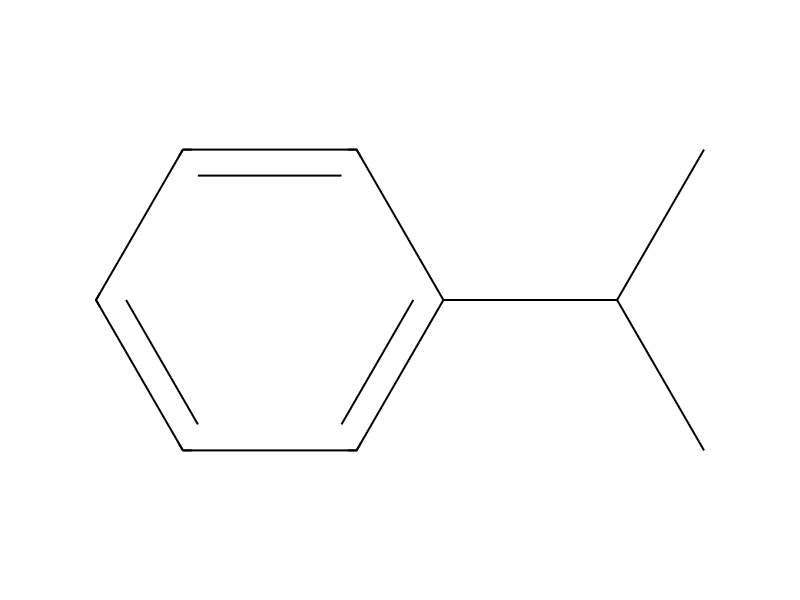
Reagents, catalysts & solvents 1

Conditions
- Temperature
- 150 °C
Procedure
In the next step, a stainless steel autoclave was charged with the total amount of the above wet cake, 0.35 g of 5% palladium-carbon, 5.9 g of α-methylstyrene and 100 ml of 2-ethylhexanol and the internal atmosphere was replaced with nitrogen gas. The mixture was reacted at 180° C. for 3 hours, then cooled to 150° C. and filtered to recover the insoluble catalyst. 2-Ethylhexanol, α-methylstyrene and cumene formed by the reaction were distilled off from the filtrate under reduced pressure to obtain 33.6 g of 4,4'-biphenol as white crystals. The product had a purity of 98.2% based on liquid chromatography and contained 1.2% of p-phenylphenol as impurities. The yield of 4,4'-biphenol converted to a purity basis was 89% based on 4,4-bis(4-hydroxyphenyl)cyclohexanol.
Workup
- customThe mixture was reacted at 180° C. for 3 hours
- filtrationfiltered
- customto recover the insoluble catalyst
Sources & evidence
- ORD record
- ord-f9a1fc8dcf9e48cb98b1a7abcd04cea9
- Source dataset
- uspto-grants-1989_10
- Patent number
- US04873374
Reaction notes
Loading…