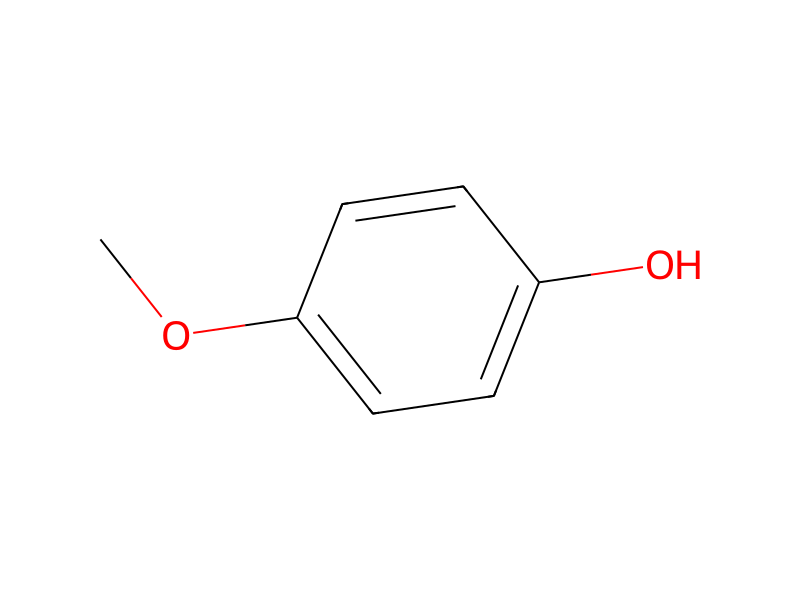
4-Methoxyphenol → HCID 20217515, compound
Reaction equation

[NH2:1][C:2]1[CH:11]=[CH:10][C:9]2[C:4](=[N:5][C:6](Cl)=[CH:7][CH:8]=2)[N:3]=1.[CH3:13][O:14][C:15]1[CH:20]=[CH:19][C:18]([OH:21])=[CH:17][CH:16]=1.[OH-].[K+]>>[NH2:1][C:2]1[CH:11]=[CH:10][C:9]2[C:4](=[N:5][C:6]([O:21][C:18]3[CH:19]=[CH:20][C:15]([O:14][CH3:13])=[CH:16][CH:17]=3)=[CH:7][CH:8]=2)[N:3]=1Participants
4



Procedure
The procedure is similar to that described in Example 4, but starting with 2-amino-7-chloro-1,8-napthyridine (35.8 g), 4-methoxyphenol (99.2 g) and potassium hydroxide pellets (22.4 g; 85% purity). After treatment with caustic soda and washing, 2-amino-7-(4-methoxyphenoxy)-1,8-naphthyridine (52.9 g) is produced, m.p. 200° C. EXAMPLE 13
Workup
- washAfter treatment with caustic soda and washing
Sources & evidence
- ORD record
- ord-cbc5295a715e4268af53aa72c8d93c9e
- Source dataset
- uspto-grants-1987_02
- Patent number
- US04642308
Reaction notes
Loading…