Acetic Acid → 4-Bromo-3-((dimethylamino)methyl)-1H-indole-7-carboxamide
Reaction equation

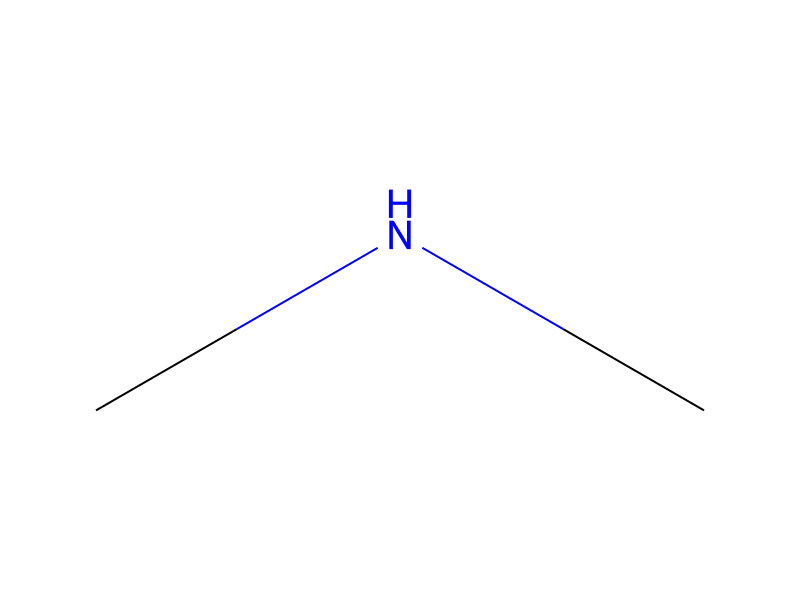
C(O)(=O)C.[Br:5][C:6]1[CH:14]=[CH:13][C:12]([C:15]([NH2:17])=[O:16])=[C:11]2[C:7]=1[CH:8]=[CH:9][NH:10]2.[CH2:18]=O.[CH3:20][NH:21][CH3:22]>C(O)C>[Br:5][C:6]1[CH:14]=[CH:13][C:12]([C:15]([NH2:17])=[O:16])=[C:11]2[C:7]=1[C:8]([CH2:20][N:21]([CH3:18])[CH3:22])=[CH:9][NH:10]2Participants
6





Conditions
- Temperature
- 80 °C
Procedure
Acetic acid (1.15 mL, 20.08 mmol) was added to a suspension of 4-bromo-1H-indole-7-carboxamide (3 g, 12.55 mmol), paraformaldehyde (0.603 g, 20.08 mmol) and dimethylamine (2 M in methanol, 10 mL, 20.08 mmol) in ethanol (50 mL). The mixture was heated to 80° C. After 2 h, the ethanol was removed under vacuum. The residue was partitioned between NaHCO3 (aq) and EtOAc. The organic phase was washed with brine (15 mL), dried and concentrated to afford the crude desired product as a light brown solid (4.08 g). LCMS (M+H)+ m/z 295.8, 297.8.
Workup
- customthe ethanol was removed under vacuum
- customThe residue was partitioned between NaHCO3 (aq) and EtOAc
- washThe organic phase was washed with brine (15 mL)
- customdried
- concentrationconcentrated
Sources & evidence
- ORD record
- ord-203baf78fd574db695a788f10ed25d6c
- Source dataset
- uspto-grants-2014_04
- Patent number
- US08685969B2
Reaction notes
Loading…