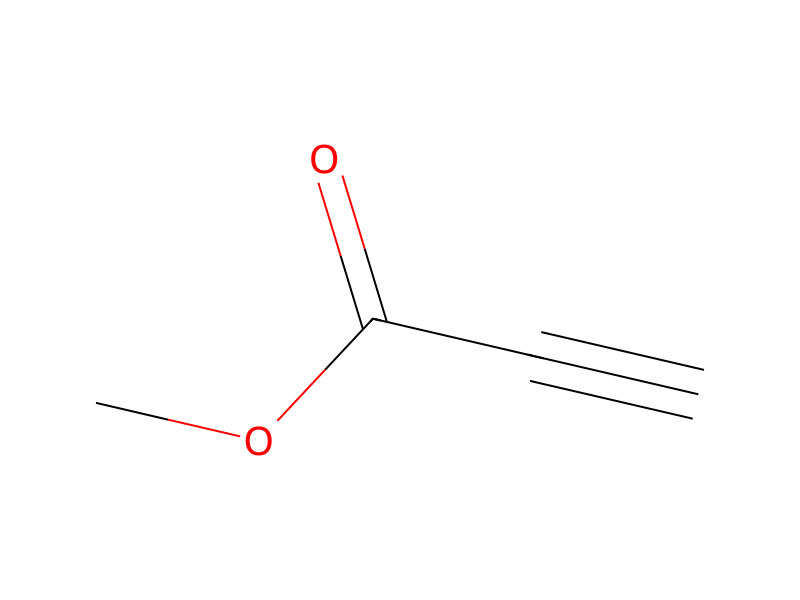
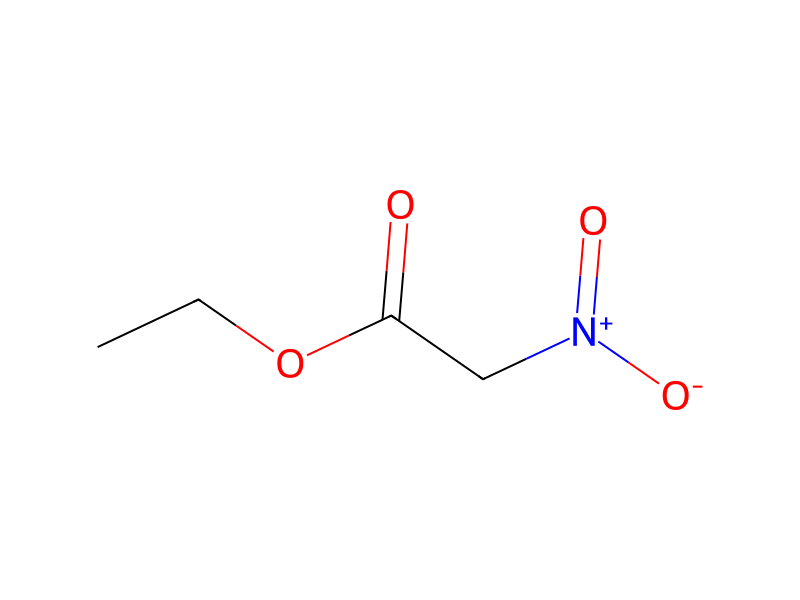
Methyl propiolate → Ethyl 3-(4-bromo-7-carbamoyl-1H-indol-3-yl)-2-nitropropanoate
Reaction equation

C(OC)(=O)C#C.[Br:7][C:8]1[CH:16]=[CH:15][C:14]([C:17]([NH2:19])=[O:18])=[C:13]2[C:9]=1[C:10]([CH2:20]N(C)C)=[CH:11][NH:12]2.[N+:24]([CH2:27][C:28]([O:30][CH2:31][CH3:32])=[O:29])([O-:26])=[O:25]>ClCCl.C(#N)C>[Br:7][C:8]1[CH:16]=[CH:15][C:14]([C:17](=[O:18])[NH2:19])=[C:13]2[C:9]=1[C:10]([CH2:20][CH:27]([N+:24]([O-:26])=[O:25])[C:28]([O:30][CH2:31][CH3:32])=[O:29])=[CH:11][NH:12]2Participants
6
Reactant 3

Product 1

Reagents, catalysts & solvents 2


Procedure
Methyl propiolate (2.300 mL, 27.5 mmol) was added slowly to a suspension of crude 4-bromo-3-((dimethylamino)methyl)-1H-indole-7-carboxamide (6.27 g, 21.17 mmol) and ethyl 2-nitroacetate (3.66 g, 27.5 mmol) in dichloromethane (151 mL) and acetonitrile (151 mL). After 30 min, the mixture was concentrated and partitioned between EtOAc and 1 M aqueous HCl. The organic phase was washed with NaHCO3 (aq) and brine, dried and concentrated. The residue was coated subjected to column chromatography on silica gel (80 g), eluting with EtOAc-hexane (gradient from 50:50 to 80:20) to provide the desired product as a solid (4.60 g, 57% yield). LCMS (M+H)+ m/z 383.8, 385.8.
Workup
- concentrationthe mixture was concentrated
- custompartitioned between EtOAc and 1 M aqueous HCl
- washThe organic phase was washed with NaHCO3 (aq) and brine
- customdried
- concentrationconcentrated
- washeluting with EtOAc-hexane (gradient from 50:50 to 80:20)
Sources & evidence
- ORD record
- ord-89106c1f1f794f118dcbc0f2c5235fc7
- Source dataset
- uspto-grants-2014_04
- Patent number
- US08685969B2
Reaction notes
Loading…